Sing to the Lord a new song, for he performs amazing deeds. His right hand and his mighty arm accomplish deliverance. The Lord demonstrates his power to deliver; in the sight of the nations he reveals his justice. He remains loyal and faithful to the family of Israel. All the ends of the earth see our God deliver us.
Shout out praises to the Lord, all the earth. Break out in a joyful shout and sing! Sing to the Lord accompanied by a harp, accompanied by a harp and the sound of music.
With trumpets and the blaring of the ram’s horn, shout out praises before the king, the Lord. Let the sea and everything in it shout, along with the world and those who live in it. Let the rivers clap their hands! Let the mountains sing in unison before the Lord.
For he comes to judge the earth. He judges the world fairly, and the nations in a just manner.
Psalm 98 (NET)
That´s tomorrow´s Introit – fitting for the 4th Sunday after Easter: “Cantate!” Sing, shout, break out with trumpets and horns, clap Your hands and sing in unison before the Lord – for He does marvellous things. For He delivers us from all evil. He judges in favor of His people and family – that´s fair and just – because He rules and reigns forever.
Old line of kings: Saul, David and Solomon
We´ve got a plate full of the most wonderful histories, accomplishments and promises from our good God´s side – from the profound biographies of King Saul with all his duplicity due to the dark struggles between good and evil Spirits coming from on high intertwined with that of his successor David – the handsome harpist from the sheepfold in the Old Testament lesson 1.Samuel 16:14-23. That´s the background and context of my sermon based on 2. Chronicles 5:2-5.12-14. We hear of the wonderful consecration of the temple in King Solomon´s time – the mind boggling sacrifices (“all the blood of beasts can´t save us!”), but also the harmonious choir of Levites singing and praising in blessed unison – just like the Psalm above demands.
The 3rd chapter of the epistle to the Colossions contains the epistle lesson prescribed for this Sunday. I think, reading the introductory verses will be helpful to get the picture of the Christian congregation and church being rescued and delivered from the old life, the old man and all his evil practices – and put into the new life and creation and body through our creator God and true, holy and only saviour – living by forgiveness, love, peace and thankfulness – in His kingdom, where His holy will is done and His holy name hallowed:
Therefore, as the elect of God, holy and dearly loved, clothe yourselves with a heart of mercy, kindness, humility, gentleness, and patience, bearing with one another and forgiving one another, if someone happens to have a complaint against anyone else. Just as the Lord has forgiven you, so you also forgive others. And to all these virtues add love, which is the perfect bond.Let the peace of Christ be in control in your heart (for you were in fact called as one body to this peace), and be thankful. Let the word of Christ dwell in you richly, teaching and exhorting one another with all wisdom, singing psalms, hymns, and spiritual songs, all with grace in your hearts to God. And whatever you do in word or deed, do it all in the name of the Lord Jesus, giving thanks to God the Father through him.
Colossians 3:12-17
The Gospel lesson taken from the 19th chapter of the holy Evangelist St. Luke adds our Lord´s strong words of fulfilment and more promises to this entire picture. Yes, he adds strict words of admonition and reprimand to the theologians and pious guardians and watchdogs of his day:
As he approached the road leading down from the Mount of Olives, the whole crowd of his disciples began to rejoice and praise God with a loud voice for all the mighty works they had seen: “Blessed is the kingwho comes in the name of the Lord! Peace in heaven and glory in the highest!” But some of the Pharisees in the crowd said to him, “Teacher, rebuke your disciples.” He answered, “I tell you, if they keep silent, the very stones will cry out!”
Gospel of St. Luke chapter 19 verses 37-40
We´ve got a whole stack of lovely psalms, hymns and spiritual songs to sing tomorrow. So far, this is the list from our German hymnal:
1 No temple now, no gift of price, No priestly round of sacrifice, Retain their ancient pow’rs. As shadows fade before the sun The day of sacrifice is done, The day of grace is ours.
2 The dying Lord our ransom paid, One final full self-off’ring made, Complete in ev’ry part. His finished sacrifice for sins The covenant of grace begins, The law within the heart.
3 In faith and confidence draw near, Within the holiest appear, With all who praise and pray; Who share one family, one feast, One great imperishable Priest, One new and living way.
4 For Christ is ours! With purpose true The pilgrim path of faith pursue, The road that Jesus trod; Until by His prevailing grace We stand at last before His face, Our Saviour and our God.
Once Luther was hijacked to be put into quarantine on the Wartburg, he did not fall into despair, but into a working frenzy. Astounding, what he produced and that despite heavy attacks by his relentless foes and his urge to fight back. He thought, that this retaliation was basically a waste of time, because his enemies were careless, not really up to the challenge and far too easy prey. That´s why later, he was so thankful for Erasmus of Rotterdam to put the real and sticky issues on the table with the matter of so-called “free-will”. But that was later.
Wartburg in Thuringia
For now, Luther tackled the many arising issues, partly out of Christian responsibility to correct failing, incompetent and erring brothers, but mainly to help a rather disoriented public to find a faithful way in the stormy seas – navigating between the Scylla of legalistic self-righteousness and the Charybdis of libertine desperation.
Justus Jonas
Latomus
One of the guys he tackled during his stay on the Wartburg was the Belgian professor at Louvain (Universität Löwen) – Jacobus Masson (1475-1544) – called Latomus. Luther´s response is remarkable for its clarity, precision and eloquence – despite serious limitations not having a meaningful library. Still, he hit the mark, and this became one of his standard papers on Justification etc. No small wonder, that Professor Dr. Gottfried Hoffmann used it as a standard research project for students in the preparatory courses on Lutheran Dogmatics (Proseminar).
Let´s hear from Luther himself – first in a German reading based on the German translation by Rudolf Mau – and then looking at the English translation prepared by Dr. George Lindbeck of Yale Divinity School and to be found in Luther Works Volume 32 – starting on Page 137…
Dr. Martin Luther – and the collection of “Luther Works” in the Old Latin School
We start with Luther´s introduction and dedication to his colleague Justus Jonas – Propst des Wittenberger Kirchenkollegiums…
AGAINST LATOMUS
Luther’s Refutation of Latomus’ Argument on Behalf of the Incendiary Sophists of the University of Louvain (1521)
To the Honorable Justus Jonas, (Dean of the Clergy) of Wittenberg, my superior in the Lord, I, Martin Luther, send greetings in the Lord. I also, my good Jonas, would like to congratulate you on the office you have recently assumed. Unable to be present in person, I have decided to send you this “Latomus” of mine. He is no longer a detractor of linguistic competence. You need not fear him, for that Ishbibenob has been vanquished by the strength of our Abishai [2 Sam. 21:16–17]. Neither is he the tardy advocate justifying the crime of the Louvainian arsonists with a malicious pretense of modesty and an unfortunate verbal subtlety. Nor is he the one whom you have seen glorying in the lord pope and his bull. But, I send you a “Latomus” who—purified by Luther’s holy water—seems to be freed from the ghosts and hobgoblins with which until now he has been disturbed, and with which he was wont to trouble devout hearts. If the Louvainians had published their opinion at the proper time and, as is proper for learned men, had consulted together before acting, they would neither have condemned nor destroyed my writings, nor would they like fools seek to justify themselves only after the deed. This much I hope to show. Latomus’ book certainly shows me how easy it is to sit in one’s corner and babble against an absent Luther: “This is heretical, this is erroneous.” But in public they would not have had confidence in their strength and daring to deal with the matter. This persuades me that if the bull had not inflated Latomus’ confidence he would never have published his illustrious “Argument.” Therefore he boasts as of a deed well done and, dreaming of the bull’s antique and antiquated terrors, believes that his booklet will alarm the world. For this reason he now fearlessly dares to play against Luther with God’s mighty Scriptures. I’d just as soon have such an act approved by such a bull. I would not want it otherwise than to be condemned by such a bull. The bull, indictment, judge, and advocate all agree beautifully. May the Lord Jesus protect me and all devout souls from their contagion and their company! Amen. Truly it won’t be easy for you to believe how unwillingly I have torn myself away from the peace-giving words of Christ, with which I have been occupied on this my Patmos, in order to waste my time reading the nonsense of this prickly and thorny sophist. Indeed, the man is sophistic from the sole of his foot to the crown of his head. Swollen with the flatulent bull, he writes with such confidence that he considers both industry and discernment unnecessary. He is content to babble whatever he has read or swallowed. It is a great bother to reply to him, for in doing so you can neither exercise skill nor increase your learning, and yet you are forced to waste precious hours. I suspect the man of believing that Luther has been spirited away or has been condemned to eternal silence so that they may once again freely dominate the public with sophistic tyranny. They consider me not a little guilty for its decline and fall. O that its downfall were complete; I would gladly be guilty, even unto death, of this seven times unforgivable sin (if we are to believe the most holy priests of the bull). However, I am concerned that while we bravely battle over grace and good works, we do not in the meantime deprive ourselves of grace or of works. When I consider these fearful times of wrath, I ask only that my eyes become fountains of tears so that I may bewail this latest desolation of souls [Jer. 9:1] which this reign of sin and of perdition is producing. Seated in Rome in the midst of the church [2 Thess. 2:4], this monster vaunts itself as God, is flattered by the bishops, compliantly aided by the sophists, and there is nothing that the hypocrites are not willing to do for it. “Therefore hell has enlarged its appetite and opened its mouth without any bounds” [Isa. 5:14], and Satan plays at the damnation of souls. There is no one among us who, seriously and with tears, stands in this day of fury and builds up a wall for the house of Israel [cf. Jer. 9:1; 15:20]. So, full of anger against blasphemers like Latomus, who deal sophistically with serious matters and compel us to interrupt better tasks in order to concern ourselves with their senseless insanities, I invoke these words against their flinty foreheads: “All my enemies shall be ashamed and sorely troubled; they shall turn back, and be put to shame in a moment” [Ps. 6:10]. In order not to detain you with too long a letter, I shall answer the main points of Latomus’ preface in a separate introduction. Meanwhile accept this testimony of my esteem for you and ask the Lord for me that I may be delivered (for so I now dare to pray with the Apostle) from the evil and unbelieving men [2 Thess. 3:2; cf. Rom. 15:31] who inhabit this Babylon, and that a door be opened to me [Col. 4:3] for the praise of the glorious grace of the gospel of His Son [Eph. 1:6]. I, for my part, pray the Lord to give you His Spirit so that you may lecture on those most pestilent decrees of the Antichrist, which you are commissioned to teach, with the purpose of which I have told you; may you be an Aaron clothed in holy garments—that is, armed with the sacred Scriptures—so that, grasping the censer of prayer [Rev. 8:3] you may go forth to encounter this devastator in the midst of the Romish fire which now consumes the world. It is soon to be extinguished by another fire coming from heaven at the advent of our Savior, for whom we wait. See to it, my brother, that you teach so that what you are teaching must be forgotten, and that [your students] know that they must flee as something deadly whatever the pope and papists hold and assert. Since we do not have the power to abolish this public and world-wide evil, and are compelled to administer the sacrilegious provinces of Babylon, it remains for us so to administer them as to recognize that they are completely different from Jerusalem our home, and that they are its adversaries, ravagers, and enemies of insatiable cruelty. Thus we shall not smile and caress our bondage as do those who perish, in whom the gospel of the glory of God is hidden [2 Cor. 4:3]. Do not lightly regard your ministry for, alongside the poisonous refuse and insane foolishness of the pope, you present the saving and life-giving gospel of Christ. Thus young men may have an antidote against this venom—the mere smell of which kills a man—until such time as they learn to reject evil and choose the good for themselves. This Immanuel is commended to you [cf. Isa. 7:14]. Therefore be hardy and strong. Do not fear this Baal-peor [Num. 25:3] for if we only believe, it is scarcely a Baal-zebub [2 Kings 1:2]—that is, a man of flies. For we believe that Jesus Christ is the Lord, blessed in eternity—Amen!—who will perfect and confirm you and his little church which is with you. Be strong in Him. In the place of my exile, June 8, 1521.
I am the Vine, you are the branches. He who abides in Me, and I in him, he it is that bears much fruit.
John 15:5a
We don´t want to do anything outside, against or without Jesus Christ – only in, with and through Him +
Here Christ repeats His foregoing words almost verbatim. He wants to be sure to impress on His disciples that they must look to Him alone and adhere firmly to Him. “For I,” He says, “am the Vine, as you know, and you are My branches.” As though He were saying: “No one will ever alter this relationship. No, God has, as you heard, ordained that I, and no other, am to be the Vine. You dare not investigate and search further for any other vine or suppose that you or others might be true branches in God’s sight if you are not grafted in Me, the only Vine there is.” For Christ foresaw very well, as I have said earlier, what would happen in Christendom, how both raging tyrants and false teachers would oppose this doctrine and many would falsely call themselves the vine and the branches. In fact, this is what most of us have done up to this time. Thus the rabble of barefoot friars have publicly and impudently set up their Francis with his rule as the vine. They have elevated him and his works to the level of Christ in every respect. They have taught: Whoever would be a true branch and bear perfect fruit must follow in the footsteps of Francis and observe his rules. There always have been, and always will be, innumerable people of this stripe who assume that name and appearance. Christ Himself said that they would “lead astray, if possible, even the elect” (Matt. 24:24). For they gleam and glitter far more beautifully than Christ with His true branches. “In comparison,” Christ would say, “I appear, not as a vine but as the stalk of a wild thornbush, and you as a thorn hedge. But do not take offense at this or be misled by attractive outward appearances and fine words. For I, and I alone, must be the One planted and placed by God Himself as the Vine; and you, if you hold to Me and remain in Me, shall be the only true branches, even if the devil and all the world say otherwise.” It is necessary to repeat this reminder, since no one understands or believes this unless time and adversity demonstrate how many people and how many different kinds of people band together against this Vine and how few there are who endure and remain in Him. This is the first point. In the second place, Christ speaks the words “He who abides in Me, and I in him” (John 15:5) against the false Christians, to inform us that a person is not a true branch in Christ by his natural strength and works. For the branch is not manufactured; it grows and it must be of the nature or species of Christ the Vine. The vine and the branches are not assembled or grafted, as is done with a little twig or shoot on a dry stem; but the branches must be of the proper type—they must grow from Christ. For the mere name does not make you a Christian, nor does the fact that you live among Christians, as the apostle Judas and others did. People may dwell among Christians, pray, fast, partake of the Sacrament, and conduct themselves outwardly as Christians, so that they cannot be excommunicated; but in spite of all this they are not true branches. They are strange and withered twigs of thorns among the grapes, although they excel the others in appearance. But it will always be true that he who is a Christian must have emerged and grown naturally from Christ the Vine. Here it is not possible to make or carve. The mock bishops who consecrate Easter cakes, the monks, and nuns imagine that they make people holy with their tomfoolery, when they smear on their chrism, trim their tonsures, and don their cowls. But this is not making and carving; it is fraud and hocus-pocus pure and simple. A Christian and a true saint must be a divine work and creation, the creature of a Master who with a single word can make everything out of nothing, and make it complete and perfect. No human effort, rule, or order can do this. For even if an abbot teaches and trains a monk for a long time, the final product will, after all, be no more than a human being as he has been created—a human being endowed with a free will and reason, and made up of flesh and blood. To be sure, he is clothed and adorned in a different way with works; but in spite of this his nature remains unchanged. He is still a knave, and his nature and his thoughts are no different from what they were before. For he still drags the old Adam around with him; but he has pulled a mask over the old Adam and has feigned a different way of living, and different works. These are all human works, just as a school-teacher trains and schools a child with works but cannot make another creature or form. This only the Creator can do with His own hand and power, and without human aid. And it is done in this manner: When I am baptized or converted by the Gospel, the Holy Spirit is present. He takes me as clay and makes of me a new creature, which is endowed with a different mind, heart, and thoughts, that is, with a true knowledge of God and a sincere trust in His grace. To summarize, the very essence of my heart is renewed and changed. This makes me a new plant, one that is grafted on Christ the Vine and grows from Him. My holiness, righteousness, and purity do not stem from me, nor do they depend on me. They come solely from Christ and are based only in Him, in whom I am rooted by faith, just as the sap flows from the stalk into the branches. Now I am like Him and of His kind. Both He and I are of one nature and essence, and I bear fruit in Him and through Him. This fruit is not mine; it is the Vine’s. Thus Christ and the Christians become one loaf and one body, so that the Christian can bear good fruit—not Adam’s or his own, but Christ’s. For when a Christian baptizes, preaches, consoles, exhorts, works, and suffers, he does not do this as a man descended from Adam; it is Christ who does this in him. The lips and tongue with which he proclaims and confesses God’s Word are not his; they are Christ’s lips and tongue. The hands with which he toils and serves his neighbor are the hands and members of Christ, who, as He says here, is in him; and he is in Christ. Behold, with the words “He who abides in Me, and I in him” (John 15:5) Christ wants to indicate that Christianity is not brought in from without; it is not put on like a garment, nor does it consist in the adoption of a new manner of living, which, like monasticism and self-chosen sanctity, is concerned with works. It is a new birth brought about by God’s Word and Spirit; there must be an entirely new man from the bottom of his heart. Then, however, when the heart is born anew in Christ, fruits will follow naturally, such as the confession of the Gospel, works of love, obedience, patience, chastity, etc. Here Christ wants to exhort His disciples to be sure to remain in His Word, which makes true and regenerate Christians—Christians who bear much fruit from the Vine and are on their guard against every other kind of doctrine, which perverts the Word and presumes to make the tree from the fruit, or grapes from thistles and thorns, which, of course, is impossible, since like begets like. Even if a person teaches this for a long time, slaves over it, and exhausts himself with works, human nature is not changed. You must have the true nature and type to begin with; you will not accomplish anything by slaving and by wearing yourself out. For the two things are and always remain widely separated: the one is called human fabrication; the other, natural growth. It always happens that what we ourselves fashion requires greater and harder effort; yet it does not prosper as well as that which has grown naturally. For this moves, stands, lives, and acts of itself as it should. “Thus,” Christ says, “all other doctrines must concern themselves with fabricating something out of works. Yet they can never carry it out. But if you remain in Me as natural branches on the Vine, you will surely bear good fruits, and many of them.”
For apart from Me you can do nothing.
John 15:5b
This is a brief conclusion and a clear explanation. “Apart from Me,” says Christ, “that is, if you do not remain in Me and become regenerated Christians through Me, you will do nothing, try as you will.” But how can Christ make such an exaggerated statement? How can He be so offensive? could it be possible that all the pious and excellent people there were at that time among the Jews, and all there may still be among the Christians, accomplished nothing? Could all their efforts have been in vain? Is it not true that they performed, and still perform, many more works, and greater ones, than the poor, wretched, little flock, which can boast of nothing but of this Christ? Oh, these are offensive and blasphemous words to the ears of the great saints—the holy Jews, the Pharisees, and others, such as St. Paul in his fine and irreproachable righteousness according to the Law, the spiritual and devout hermits of our time, the Carthusians and other monks, and I myself at one time! They strive with great earnestness for piety; they want to go to heaven. Or look at the heathen. See how well they have governed lands and people, established law and order, maintained peace and discipline, fostered knowledge of many kinds. As a result, the whole world praises and admires their wisdom. Furthermore, we read that some heretics lived a much stricter life and performed greater works than the true Christians. I am thinking of the Cathari and the Encratites. The forty-day fast was also introduced by heretics, and it is said of the Turks that many among them lead a very ascetic life and perform wonderfully great works: fasting, giving alms, etc. And now all factions cry out against us and our doctrine for not devoting ourselves to this as they do. They say that we do not have the Spirit, because we do not live as they do. How, then, can Christ say here: “Apart from Me you can do nothing”? As said before, the answer to this question is: Here Christ is not speaking of physical or worldly life and conduct, as the scoffers misinterpret Him; He is speaking of the fruits of the Gospel. For when He created the world, He commanded and empowered man to rule physically over beasts, birds, and fish, to maintain home life, to rear children, to cultivate the fields, to rule over lands and people, etc. It was not necessary for Christ to give instruction about this, for it was implanted in nature and written in their hearts. Furthermore, all books, with the exception of Holy Writ, are derived from that source and spring. Therefore Christ’s words and doctrine must not be interpreted as though He had wanted to teach and ordain anything in addition to this or to institute anything better. Christ is speaking exclusively of His spiritual kingdom and government, in which God Himself dwells, reigns, and works through His Word and Spirit toward a spiritual, eternal life. For this is God’s own realm: to baptize, to preach the Gospel, to administer the Sacrament, to console and strengthen timid and grieving consciences, to terrify and punish the wicked with excommunication, to perform works of love and mercy, and to endure the cross. All this is done because thereby we please God, are His children, are redeemed from sin and death, and have eternal life. The secular realm can do nothing at all to achieve this end, for it all must end with this life. “In this kingdom,” Christ says, “you are nothing and can do nothing unless you are and remain in Me.” Yes, all that the world undertakes, contemplates, and is able to do counts for nothing before God; as, for instance, the zeal, the spirituality, and the self-chosen worship of all the Jews, Turks, and the pope’s saints. Nor can any schismatic spirit who has fallen away from Christ ever teach or do anything that is right; he only leads both himself and others farther away from Christ. Take, for example, the Anabaptists of today with their fanaticism. They only baptize people out of church and contend against the Spirit, as is finally seen by their fruit. Nor can all monks and monastic orders who teach and practice their work-righteousness ever come to Christ or bring a person to true knowledge. They cannot counsel and console a conscience, deliver from the smallest sin, or bear any Christian fruit. Consequently, whatever they do is lost, even though the works are numerous, important, and arduous. The more they torment and torture themselves, the less they accomplish. I can testify to this on the basis of my own experience. For more than twenty years I was a pious monk, read Mass daily, and so weakened myself with fasting and praying that I would not have been long for this life had I continued. Yet all this taken together cannot help me in even one little crisis to be able to say before God: “All this I have done; now please consider it, and be gracious to me.” What else did I achieve with this than to plague myself uselessly, impair my health, and waste my time? Now I must hear Christ pass this judgment on it: “You did this without Me; therefore it is nothing and has no room in My kingdom. It can avail neither you nor others for eternal life.” Yes, I myself must now stamp and condemn it as sin committed in idolatry and unbelief. I must be terrified when I think of it. Still everyone clung to this and regarded it as the way to salvation. For such a purpose all the world, eager to purchase such holiness and merit, is ready to give and donate. And this holiness was shamelessly offered for sale—signed, sealed, and delivered. Thus a fearful judgment is decreed here against all life and activity—no matter how great, glorious, and beautiful—if it has no connection with Christ. Then it can do nothing and be nothing. It is great and highly esteemed before the world, for it is regarded as excellent and precious work. But here in the kingdom of Christ and before God it is truly nothing, because it has not grown out of Him and does not remain in Him. For it is not His Word, Baptism, and Sacrament; it is our own fabrication, which we have chosen and exacted apart from the Word. Therefore it cannot bear fruit or pass muster before God; it must be exterminated like a rotten and withered tree without sap and strength. As Christ says later (v. 6), it must be cast into the fire. Therefore let others carve and make whatever they can without Him, until they have fashioned a new birth out of their works and a tree from the fruit. What they will do, please God, is to verify this verse, and it will all amount to a big zero. But who believes that this verse could be so comprehensive and damn so many people? Or that the world is so full of false Christians and saints? But this proclamation is addressed to us, lest we run and toil in vain, as St. Paul admonishes in 1 Cor. 9:26. We must see to it that we are always found in Christ, that is, that we hold to His Word and let nothing tear us away from it. Then the true and enduring fruit will surely follow. It is a mighty comfort and bulwark for a person to know that his life and works are not in vain but are pleasing to God and are called true fruit, and for him to be able to say with all his heart: “I was baptized in the name of Christ. I did not invent this Baptism or institute it through my monastic order or rule, nor did it come into being by human choice. No, Christ my Lord Himself is the author; this I know for certain. In the second place, I know and profess before all the world that by the grace of God I believe in that Man, and I am resolved to remain with Him and to surrender life, limb, and everything rather than deny Him. In this faith I stand and live. Then I go forth, eat and drink, sleep and wake, rule, serve, labor, act, and suffer all in the faith in which I am baptized; and I know that this is good fruit and is pleasing to God.” The life of such a person and whatever he does, whether great or small and no matter what it is called, is nothing but fruit and cannot be without fruit; for in Christ he has been born into a new existence, in order that he may constantly be full of good fruit. Everything such a person does becomes easy for him, not troublesome or vexatious. Nothing is too arduous for him or too difficult to suffer and bear. By way of contrast, the others, who do not have faith and who presume to make good fruit themselves, never have such comfort, even though they torture themselves intensely and perform many important works and more than others perform. They do everything with a heavy heart. Consequently, they can never be happy or have the assurance that what they do is pleasing to God. Thus everything they do is wasted and lost. Therefore it is true that whatever is done without and apart from Christ amounts to nothing and is altogether corrupt, useless, and worthless. On the other hand, everything that counts is done in Christ and is altogether rich, perfect, and precious fruit. But the world with its pseudo saints and its sects cannot understand this. They say: “What kind of Christian can such a person be? All he can do is to eat and drink, work in the home, tend the children, guide the plow, etc. That much I can do just as well and better!” Ah, one must make a distinction between what a Christian does and what the heathen also do, and not be so quick to designate everything as fruits of the Christian life! Judged by such common task as those performed by father and mother, child, servant, husband or wife, the heathen would fare better than we. Therefore we must have something different and out of the ordinary—something beyond what the common man does, as, for instance, entering a cloister, lying on the ground, wearing a hair shirt, or praying day and night without ceasing. Such work they call a holy life and Christian fruit. And they are quick to deduce from this that rearing children, doing domestic work, etc., is not a holy life. For they look solely at the outward appearance of the works and are unable to judge by the source of these work and their origin in the Vine. And who does not know that monasticism with its work appears greater when it is appraised by its outward shape and form, and not by the nature of its origin? But now Christ says that only those works are good fruit that are done by people who are and remain in Him. And all their life and everything they do is called good fruit, even if it were something more menial than when a farm hand loads and hauls manure. This is incomprehensible to those people; they consider such work—as they see them before their eyes—ordinary pagan task. Among Christians, however, there arises a very great difference between what they do and what a heathen or someone else—apart from Christ—does, even if the work is completely identical. For the work of the heathen do not spring and grow from Christ the Vine. Therefore they cannot please God or be called Christian fruit. But since the work of Christians proceed from faith in Christ, they are all true and useful fruit. The Christian is just like the lamb, of which it is said that everything about it is good and useful, not only the flesh, the hide, and the bones but also the urine and the droppings. It is true that a Christian is not as impressive with his works and fruit as a schismatic spirit or an eccentric, for he does not choose any particularly striking works but confines himself to the ordinary tasks that come up in everyday life. The trouble is that the world is unable to see that these are works performed by a new person in Christ. Therefore one and the same work becomes different even in one and the same person, depending on whether it is performed before or after he has come to faith in Christ. Previously he was a thistle and a thorn; for he was not a part of the Vine and for this reason was unable to bear fruit, and all the works he performed were lost and condemned. But now that he is a Christian, the same work is a fine and precious grape—not because it was done in this or that manner, but because it issues from the good Vine, which is Christ. Therefore the point is to judge the work by the motive behind it, not by the kind of work it is. What is done—whether great or small, much or little—is not important; all depends on the source and fountain from which the works flow. Here Christians live and are active in a manner that is different and apart from the life and activity of all other people on earth. For here comes Christ and draws the dividing line. To him who occupies himself with self-designed works He says: “Your deeds are nothing; they are futile.” “Well,” you say, “have I not read Mass daily for so many years? Have I not abstained so long from eating meat? Have I not mortified my body? This ascetic life has been extremely hard for me. Is it possible that so many great and arduous works should be nothing?” “To be sure,” says Christ, “these can be called great and arduous tasks; but I declare that they are absolutely nothing, for they all have been done without Me.” On the other hand, there may be some poor maiden, such as the Virgin Mary, who never performed any work that stood out above the works performed by others. With regard to her, Christ pronounces the judgment: “Lo, this maiden has not performed any of your great and arduous works; yet her life abounds in good works, for hers are works that are done in Me. For this reason I prize them as precious gems and will praise and reward them before God and all the angels. But your works shall be fit for nothing else than to be cast into the fire like thorns and thistles, for they are not done in Me.” And it will not help you to cry out that you are treated unjustly, or to make excuses and pretend ignorance; for He will say: “Why did you ignore My words, which foretold this and also warned you to be on your guard against all activity that excludes Me? Why did you not draw the clear and cogent conclusion that no one can do anything without Me?” Therefore one must learn not to look at works as a cow looks at a door; one must learn from what kind of heart and person they proceed. If the person is in Christ, then the work, be it as big or as little as it will, is a good fruit; for whatever remains in Him must bear much fruit, and all such works are precious grapes, even though sin creeps in now and then and there are false steps. For this is the manure with which he can fertilize his field, so that even his shortcomings must redound to his good and not to his hurt. On the other hand, in the case of the other saints—monks, Turks, and heathen—not only the public sins are condemned; but even their best works, because of which they think they merit heaven, are rejected and, together with them, are sentenced to be burned. And this judgment against them is fair and just. For what devil induces us who are called Christians and are baptized to renounce Baptism and Christ and to seek for ourselves works of our own apart from Christ? Those who do this do not want to live, work, and act like other, ordinary Christians; they want to attract open-mouthed admiration on the part of the public with their special, novel, and self-chosen deeds. The schismatic spirits say: “We see no special work or fruit of the Spirit in those who know nothing to teach but Christ. One must really put forth strenuous effort by looking morose, wearing gray garments, owning no property, or, like the monks, by fasting, mortifying the flesh, and not eating and drinking as others do.” Such a life is outwardly very impressive, and the rabble, is quick to say: “What are our clergy and their followers in comparison? These are saintly, Christian people who forsake all, wear gray garments, etc.” In this way they let themselves be duped and turned away from Christ. And it serves them right. Do you not hear Christ declare here that you are not to look at and judge by such external appearances of works but by the stem and the root from which they grow? Therefore you should first inquire: “Why do you look so morose? Why do you wear gray clothing? Why do you set yourself apart from others?” They reply: “Well, one must really do one’s utmost and withdraw from the world if one wants to be saved.” There you see the donkey with its long ears! You abominable hypocrite and seducer, how will you bear fruit apart from and without the Vine? A morose mien will never take you to heaven. You must be in the Vine first. He must be the source of growth. Hence such works of yours are lost; they are null and void, because they are apart from and without Christ. Yes, on top of this, they are against Christ.
Quoted from Luther Works Volume 24 – and here is a reading of Eduard Ellwein´s selection of Luther´s commentary to this verse in German.
In this confidence and faith we sing, praise and confess another hymn of the church:
1 The church’s one foundation is Jesus Christ, her Lord; she is his new creation by water and the Word: from heav’n he came and sought her to be his holy bride; with his own blood he bought her, and for her life he died.
2 Elect from ev’ry nation, yet one o’er all the earth, her charter of salvation one Lord, one faith, one birth; one holy name she blesses, partakes one holy food, and to one hope she presses, with ev’ry grace endued.
3 Though with a scornful wonder men see her sore oppressed, by schisms rent asunder, by heresies distressed, yet saints their watch are keeping, their cry goes up, “How long?” And soon the night of weeping shall be the morn of song.
4 The church shall never perish! Her dear Lord to defend, to guide, sustain, and cherish, is with her to the end; though there be those that hate her, and false sons in her pale, against both foe and traitor she ever shall prevail.
5 ‘Mid toil and tribulation, and tumult of her war, she waits the consummation of peace forevermore; till with the vision glorious her longing eyes are blest, and the great church victorious shall be the church at rest.
6 Yet she on earth hath union with the God the Three in One, and mystic sweet communion with those whose rest is won: O happy ones and holy! Lord, give us grace that we, like them, the meek and lowly, on high may dwell with thee.
Ein schöner Morgen heute Abend – hier im Osten wie im Westen, hier im Norden wie dort im Süden. So ähnlich hat das Papa Scharlach ja gerne gesagt. Der Mond ging knapp nach 5Uhr früh unter. Heute Abend ist dann voraussichtlich Vollmond. Da ich früh raus wollte, hatte ich meinen zeitig Wecker gestellt. Das war ein Rat meines alten Professors (O.Hartmut) Günter. Er meinte, sonst würde man unruhig schlafen und die ganze Nacht gespannt hoffen, dass man das zeitige Aufstehen nicht verschliefe. Ich habe trotz Wecker unruhig geschlafen. Vier Minuten vor der Zeit konnte ich ihn endlich abstellen ohne dass ich jemand anders geweckt hätte. Bis dahin habe ich einen alten Traum aus lang verflossenen Tagen in stündlichen Etappen mit vier Intervallen – Mitternacht, 1Uhr, 3Uhr und endlich 4Uhr – erlebt und noch auf dem Hochsitz bewegte mich das.
Monduntergang über der Molkerei
Es ist schon merkwürdig wie man so vieles vergisst, aber manche Geschichten, Personen und Begebenheiten bleiben einfach hängen. Das ist ja gar nicht so als ob das weltbewegende Dinge wären. Ganz und gar nicht. Manchmal ist es völlig belanglos, was einem da in den Sinn kommt. Oft hat man es bei Sonnenaufgang schon wieder vergessen. Manchmal bleibt dieses oder jenes einem aber noch nachhängen: Ein Kartenspiel lange, lange her auf einem gemütlichen Familiensitz. Ein knöcheriger, aber reichlich tragender Avocadobaum unter dessen Schatten ich auf einer Konzertreise Ruhe, Abgeschiedenheit und Alleinsein zum Nachsinnen suchte und ebenfalls nicht fand, weil der alte Schafhirte mich fand und meinte, ich sei ein „rondloper“ (Vagabund bzw nach Koos du Plessis: “Swerwer“) und mich deswegen bei seinem Bass, dem Farmer verpetzte. Eine lustige Party mit „sokkie-sokkie“ und saurer Bowle, tolles Tennisspielen, Schwimmen im Dam und dann Sonnenbrand und mehr unbeschwerter jugendlicher Zeitvertreib.
Da ist es wie ein alter Film, der sich parallel zum jetzigen Leben abspielt. Eine Traumwelt von anderswo. Phantastisch. Nichts mehr als das, aber doch nimmt es mich die ganze Nacht und noch länger auf die Reise. Die unendliche Geschichte? Ist schon merkwürdig. Irreal, weit weg und doch zum Greifen nahe. Es ist als wären die Jahre an den Betroffenen spurlos vorübergezogen. Dabei ist inzwischen so viel passiert. Manche sind schon nicht mal mehr mit uns. Und wir sind so weite Wege in ganz andere Richtungen gegangen. Komisch? Merkwürdig? Belanglos? Einfälle bloß. Nebelschwanden, die sich im Sonnenlicht verdünnisiern: “Ons is maar kinders van die wind“. Vielleicht war die Decke zu warm, der Mond zu voll oder der Wecker zu nah, doch plötzlich ist man mit „Alice in Wunderland“ in den sprichwörtlichen „Hasenbau“ eingetaucht nach woanders und spielt da Unerhörtes, als Vergangenheit Abgehaktes haut- und zeitnah nach und mit.
Ek ken ‘n ou, ou liedjie Van lewenswel en wee Van lank-vergane skepe in Die kelders van die see
Die woorde is vergete En tog, die deuntjie draal Soos vaag-bekende grepies in ‘n Baie ou verhaal
Van swerwers sonder rigting Van soekers wat nooit vind En eindelik was almal maar Net kinders van die wind
Gesigte, drome, name Is deur die wind verwaai En waarheen daardie woorde is Sou net ‘n kind kon raai
Swerwers sonder rigting Soekers wat nooit vind En eindelik was almal maar Net kinders van die wind
Der Traum lädt ungefragt, ungewollt und völlig unerwartet ein zum Eintauchen, Mitmachen, Dabeisein und Weiterträumen als wäre man nicht schon längst auf einem ganz anderen Planeten, in einer anderen Welt und Zeit. Das ist kein Wunschprogram, sondern eher ein Lottospiel. Der Kreis dreht sich, aber wo die Kugel landet ist völlig ungewiss. Ich weiß nicht mal, ob sie landet oder einfach nur weiter rollt, und rollt: „Ich wäre ja so gern noch geblieben, aber der Wagen, der rollt!“ Tagsüber ist das anders. Da geht man mit Sorgfalt den Gedanken nach, stöbert, wühlt und kratzt gar in der Geschichte rum, sucht nach längst verlorenem und freut sich, wenn dieser Name oder das Gesicht wieder in der Erinnerung auftaucht und man diese oder jene Geschichte wieder zusammengesetzt bekommt. Das ist dann etwas strukturierter und viel klarer und hellsichter als die Bilder im Traum. Die Uhr erinnert pünktlich ans stündliche Aufstehen und Durchatmen ohne, dass auch nur eine Stunde verschlafen oder vergessen würde – und ehe man sichs versieht ist auch dieser Morgen soweit fortgeschritten, dass der Postbote kommt und das Mittagsgebet eingeläutet wird.
Das Rapsfeld liegt immer noch gelb ausgestreckt soweit das Auge geht. Nur am Feldrand haben die Tiere noch Kräuter und Gräser zu knabbern, Vögel noch Sämereien zu erwarten und unsere Augen was zum Ausruhen von der knalligen Farbenpracht. Die Nachtigall lässt sich nicht beeindrucken und sing fröhlich weiter ihr altes Lied – “alte, liebe Lieder” – gerade so wie beim vorigen Besuch. Heute bemerkte ich noch eine Goldammer, einen Goldfasan, ein Zug Enten und vier Kraniche. Ein Reh graste hinten am Waldrand, wo die ersten Sonnenstrahlen kurz vor 6Uhr einfielen. Sonst war es ganz ruhig im Revier. Nur das ständige Rauschen der Autos im Hintergrund von der Bundesstraße im Osten, obwohl der Wind aus Westen kam. Der Verkehr ist fast wieder normal – auch ohne Touristentrubel. Die kommen ja sowieso meist mit dem Bus oder mit der Bahn, wenn sie nicht mit dem Dampfer am Elbe Pier im kl.Stadthafen anlegen. Aber die Einheimischen fahren, radeln und kutschieren zur Arbeit als könnten sie allein schon mit ihrem Verkehrseinsatz das heruntergefahrene und arg strapazierte Geschäft aufpäppeln, das verlorengegangenen wieder wettmachen. Es herrscht geschäftige Betriebsamkeit wie bei einem munteren Bienenschwarm im milden Frühling. Dabei herrschen bei uns noch fast winterliche Temperaturen. Zu früh zum Erholen. Noch ist die Zeit nicht Reif für Entwarnung und grünes Licht. Die bisherigen Einschnitte waren zu tief, zu plötzlich, zu automatisch. Das wird dauern bis das wieder wird und bis man das verarbeitet und durchdacht hat. Da hilft kein noch so viel Fahren, emsiges Winken und fleißiges Strampeln. Doch die eifrige Arbeitslust ist ansteckend – fast so wie das Virus – doch weit weniger schädlich – hoffentlich!
Darum wollen wir fröhlich wieder anpacke, die Türen aufsperren und das Geschäft möglichst offen und einladend machen – vielleicht kommen ja wirklich ein paar Gäste und Fremdlinge. Sie sind herzlich willkommen. Bis dahin singe ich halt fröhlich und getrost das schöne Lied vom Sonntag Jubilate – und freue mich über meinen Herrn und Heiland, der vom Tode auferstanden ist, der für uns alle lebt und uns allen zugut regiert zum Heil und lauter Segen. Das ist kein Traum, sondern Wirklichkeit:
1) Die ganze Welt, Herr Jesu Christ, Halleluja, Halleluja, in deiner Urständ fröhlich ist. Halleluja, Halleluja.
2) Das himmlisch Heer im Himmel singt, Halleluja, Halleluja, die Christenheit auf Erden klingt. Halleluja, Halleluja.
3) Jetzt grünet, was nur grünen kann, Halleluja, Halleluja, die Bäum zu blühen fangen an. Halleluja, Halleluja.
4) Es singen jetzt die Vögel all, Halleluja, Halleluja, jetzt singt und klingt die Nachtigall. Halleluja, Halleluja.
5) Der Sonnenschein jetzt kommt herein, Halleluja, Halleluja, und gibt der Welt ein’ neuen Schein. Halleluja, Halleluja.
6) Die ganze Welt, Herr Jesu Christ, Halleluja, Halleluja, in deiner Urständ fröhlich ist. Halleluja, Halleluja.
Jesus Christ says: Abide in Me, and I in you. As the branch cannot bear fruit by itself, unless it abides in the vine, neither can you, unless you abide in Me.
“You now have My Word,” Christ says, “whereby you are clean; through it also your fruit is good, and everything pleases God. But if you want to retain this cleanness and to keep on bearing good fruit, see that you remain in Me through faith and do not prize your own deeds presumptuously or falsely rely on them. Nor dare you let any trials alienate and tear you from the faith. Otherwise you will both forfeit the cleanness which you have in Me and utterly spoil the fruit.” These words are spoken for our admonition and warning. If it were not for our headstrong ways, they would be terrifying indeed. For here is Christ’s blunt judgment: “Whoever does not remain in Me can bear no fruit and will be cast away like a withered and useless branch. Hence if you are to bear fruit and if your words and your doctrine are true and your life good, then be concerned that you remain in Me and that in no circumstances you be found outside of Me.” But as it happens, most people live under the illusion that it is unnecessary to be and remain in Christ, since it is evident that other people—the Turks, for instance, and false Christians—bear many fine fruits. In fact, many of their works surpass those of true Christians; they lead fine, respectable, rigorous, and ascetic lives, establish and conduct elaborate services of worship, and give and suffer much for the sake of God. And many comment on this verse sneeringly and say that, after all, much can be accomplished without Christ; for we see people build; rule over land and subjects; maintain justice, peace, and order; and do much additional good—and all this with the powers of reason and nature. In view of this, the meaning of these verses—“You cannot bear fruit unless you abide in Me” and “Apart from Me you can do nothing”—must be that Christ is Lord over nature; for He and nature do not create anything to no purpose. But let those mockers have their way until they have mocked their fill! According to His own interpretation, Christ is speaking here of such fruits as remain eternally, have no end, and are praised and honored before and in the presence of God forever. And these are not natural fruits; for concerning natural fruits we know well enough that among the heathen and the unbelievers the begetting and rearing of children, the governing of lands and people, and the like, may be just as good as, and even better than, they are among the Christians. We know that the heathen also have the same physical life and existence, just as they, like us, have all kinds of gifts. Therefore no one need teach us this or interpret Scripture to mean such works as God’s Word does not teach but leaves as they are and as reason has been ordered to control them. Scripture, however, instructs us about such fruit as serves for eternal life. The other works do not interest and please God beyond the point where they pertain to and touch on this physical life. None of them will endure up there, but the world and all its ways must perish here and be buried. Therefore this text must be taken to refer solely to a life conducted so as to please God both here and there—a life which will never be forgotten. This is “enduring fruit”—so Christ calls it—which we will take with us and of which God will testify on the Last Day: “This is fruit that is pleasing to Me. I will reward it eternally.” No heathen or Turk will ever hear these words, even though he is found to be a pious and respectable man or woman, prince, burgher, or peasant. For their fruit is natural and good, to be sure; but it is not Christian and everlasting. Thus Christ says here: “If you want to bear true fruit—fruit that is acknowledged by God—you must remain in Me; for I am speaking of a class, activity, and fruit higher than what Moses writes about in Gen. 1:28, where we read that after God had created heaven and earth and all it contained, He turned it over to man and commanded him to rule. I am speaking of the works that are needed when the reign of Moses and nature terminates, when this life and all its activity ends, so that one may know where to stay when death comes and takes everything away. Neither the heathen nor the world can be familiar with this. But you alone, as Christians, shall and can know it and bear fruit of this kind, provided that you remain in Me.” With these words Christ again looks at all Christendom and sees what the state of affairs always is and will be when this message is proclaimed: “He who believes in Me and is baptized shall be saved (Mark 16:16). He who wants to be redeemed from sin, death, and the devil, let him call upon Me. That is the message that shall and will be preached of Me.” But where this is done, there, first of all, the devil and the world will want to smother it violently. Failing in this, the devil will enlist factions and sects. There will be many who initially accept the message with joy and become Christians; but when matters become serious and they have to suffer for this, or are in danger of losing life, goods, and honor, they put their whistles in their pockets and reason: “I will remain a Christian and at the same time keep what is mine.” Thus they mock Christ, as though they were unwilling to deny Him but still wanted to conduct themselves in such a way that it would not be necessary for them to be hated and persecuted by the world. Furthermore, there will be many who will speak proudly of Christ and say (Matt. 24:23): “Lo, here is Christ,” or “There He is!” The popes and the mobs of monks belong in this category. They say: “He who follows us, observes such and such rules, lives in such and such a manner, is a true Christian.” They will create many sects, so that many people will be offended and, as Christ Himself declares in Matt. 24:24, “even the elect might be led astray. As a consequence, only a few will preserve My Word in its purity and remain in Me.” For they all champion a doctrine that is acceptable to our reason and easily conforms to it. Reason will always hold to and teach what it considers right, but it will reject what bewilders it. Thus the Anabaptist rabble drivels that Baptism cannot cleanse man from sin; for, as they say, it is only plain water, and an external substance cannot help anyone obtain remission of sins; the Spirit alone must do this. Therefore, they say, Baptism is no more than a seal and token for Christians; it certifies their membership in Christendom. The Arians blasphemed: “Do you suppose that Christ, the Virgin’s Son, could be true God, coequal with the Father?” And whatever similar heresies there are, they all are doctrines which reason can fathom and is glad to believe. And they all claim to be in Christ and glory in Him. They say: “Lo, here is Christ! This doctrine is true.” The faithful Savior Christ foresaw how difficult it would be to remain in Him in the face of the many obstacles that the devil would throw in the way—here with violence and murder, there with lies—for he is a murderer and a liar from the beginning (John 8:44). Therefore wherever truth dawns, he strikes the branches of the vineyard with so much hail and lighting that He severs them from Christ, the Vine. He uses fire, the sword and whatever means he has at his command. He would like to chop down and uproot the stock. And then there is the specious excuse with which the devil comforts people and causes them to say when they are menaced with persecution for the sake of the Gospel: “What shall I do? After all, I must obey the government. I dare not forsake wife and child.” Or if the devil cannot subdue the Gospel with violence, he sends his vile ravens, sparrows, and other vermin and noxious creatures, that is, false doctrine and sects, to eat and ruin the vine. “Therefore,” says Christ, “mark this well and heed My warning; it will require great exertion and be very dangerous to remain in Me. For he who will do so must endure the murderer and liar, and must be strong enough to resist him and ward him off, to keep from being torn away either by violence or by cunning. I tell you this in advance, that you may know that it will not be easy and (as He says later) will not be achieved without much fruit. For I tell you truly: As the branch cannot bear fruit by itself unless it abides in the vine, neither can you, unless you abide in Me (John 15:4). There you have My concise and clear opinion. Therefore do not be deceived by the false, beautiful, and gleaming fruit which is seen on those who persecute the Gospel and claim that they alone are the true Christendom. They do many great and excellent works and put forth far more effort than the true Christians. (The monks do this today and have always done so, just as I also did when I was a monk.) But be on your guard against such works! For they may be called fruit, but the monks are not and do not remain in Me. This stamps their works as nothing but false, accursed lies and rotten fruit in the sight of God, even though outwardly they appear precious before the world. Evidently the monks imagine that they have the true fruit and are God’s bosom friends. They regard you as heretics, apostates, and rejects. And if you want to be guided and to judge by such appearances, you will soon become confused and will not know who are true Christians. Therefore see that you remain true in Me and that you do not permit the hypocrites, who claim to be the true branches, to mislead you, lest you, like them and with them, be uprooted and cast away.” You say: “How can I know which is the true fruit? Or how can I identify those who remain in Christ?” Answer: Christ has just declared: “You are already made clean by the Word which I have spoken to you” (John 15:3), and one must not look to see how great and how numerous their works are. For all these works are no more than what even non-Christians and knaves are able to do. No, one must look above all at the lips to learn what they teach and believe, whether it is the pure Word of Christ or not. One must ask first of all: “Do your deeds, your suffering, your worship of God proceed from the Word which Christ proclaims?” Then we will soon say whether it is true, pure, and good. For if this is not the case, we can judge without hesitancy that it is not pure and that these are not good fruits from this vine but are already condemned by Christ, even though you were to torture yourself to death or raised the dead every day. For it does not abide in Christ, since it does not have His Word. Now one sees that the chief doctrine of the pope and of all factions is this: If you want to be rid of sin and to be saved, you must not only believe; but you must also live in such and such a way and do and suffer a specified amount. Yes, in the past our papists understood and taught nothing at all about faith; now they have learned this little word “faith” from us. They are ashamed of their former doctrine and are beginning to touch it up. Now they do speak of faith; but they append the doctrine of meritorious works, thereby nullifying faith. And the worst of it is that after teaching it so long they have finally sealed this with their stench and have declared publicly: “A man may be ever so pious and perform ever so many good works, yet he does not know whether he attains mercy before God.” That is what they say about the pious people, who are upright and perform good works but are not to know how they stand with God. The vile and accursed devil from hell told them to say and proclaim this! From this we can realize what their fruits are and how little their doctrine conforms to the true Word of Christ. For in the first place they say nothing about faith. They do not say that we have forgiveness of sin through Christ, but they command me to do good works in order that I may be cleansed from sin. And yet, after I have performed all these good works, I am neither to know nor to believe that I have a gracious God, although Holy Writ teaches me that I must believe and know that God is gracious to me through Christ before I can do works that please God. On the basis of this I can conclude freely that he who teaches, believes, and lives thus is not in the vine but is a doomed branch, condemned with all his fruit and deeds, since the only thing they teach is that one must always doubt and can never be certain of being in Christ—that is, in God’s grace—and of bearing true fruit. For this reason alone the papacy must be condemned as the seduction of the devil, even if nothing else in it were reprehensible. How else could I account for this misery that I am to regard myself as a Christian and to practice the good works which they teach, torture myself to death over them, as some of them have done, and still be in doubt and say: “God knows whether I am pleasing Him and have His mercy!” Let the devil do this; I will not. Should a prince, a burgomaster, or a father work hard, worriedly, and with discomfort to perform the duties of his station and office and never know whether the best he has accomplished is pleasing to God? In the end, who would want to serve God any longer or do and suffer anything for His sake? Yet under the papacy such accursed, unchristian teaching has made its erring way throughout the world and has been practiced in all the schools and from all the pulpits. Scripture and the doctrine of the Gospel, however, teach us that it is essential for us to be convinced first of all that God is our gracious Father—which happens if we believe in Christ—and then construct all our words, deeds, and life on this foundation. I must be able to say: “I know that I have a gracious God and that my works, performed in this faith and according to His Word, are good fruits and are pleasing to Him.” Wherever there is the kind of preaching that assures hearts of how they stand with God, I can conclude that such a sermon is true and presents the pure Word of Christ. On the other hand, I can judge that any other message is a lie and the devil’s doctrine, which turns the two things around and declares: It is not for us to know whether we live in grace, but we must promote and perform good works at random and with doubts in our minds. One may reasonably say to them: “If I am to hear no other comfort from you than this, that I can never know how I stand with God, then be the devil’s confessor, and be a preacher in the abyss of hell!” Now you ask: “But how can I be sure that God is gracious to me and that my works are pleasing to Him, since I am full of sin and unworthy?” My answer is: “Why, then, do you perform such works and teach that sins are atoned for by them if you do not believe that those works are pleasing to God? It would be just as well for you to remain as you were before as it would be to perform these works in unbelief or in delusion and thereby incite God’s wrath all the more. For since you have that view, God cannot be gracious to you or be pleased with your deeds. No, you will receive just what you expect of Him and in accord with your doubts regarding His mercy, and you will never be able to rid yourself of such thoughts. Therefore we say: If you want to deal with God and not come to grief, you must above all else be able to say with conviction: ‘I know that this work that I am doing is a good work and that it is pleasing to God.’ ” But from what does such a conviction stem, or how can one conclude with certainty that God is gracious to us and pleased with us? To be sure, not by and of yourself, but solely because of Christ’s words “Unless you abide in Me”; for “as the branch cannot bear fruit of itself, unless it abides in the vine, neither can you, unless you abide in Me” (John 15:4). Therefore we must not look at ourselves to see what we are and what we do, whether we are worthy and our works are sufficient. Otherwise the doctrine of the papacy and the statement of monks and priests would be correct: “Who knows whether we deserve mercy or displeasure?” For they do not look beyond themselves, their vocation, or their works but presume to reconcile God and obtain mercy through these, just as the heathen and the Turks do. They do not know what it means to be in Christ. Therefore it is impossible for them ever to conclude with certainty that their calling and life are acceptable to God. They are doomed to eternal doubt; and the more they work and torment themselves in an effort to please God, the greater their uncertainty becomes, until finally it culminates in despair. This is the inevitable lot of all who rely on themselves and their deeds. For in the final analysis we will find that so far as we are concerned all our works, even the best, are sinful and damned to hell in the sight of God. God’s Word has already pronounced wrath on man’s own ability, power, and works. Whatever does not abide in this Vine Christ must be condemned and exterminated. Therefore he who wants to be helped out of such doubt should be intent solely on coming out of himself and all his works into Christ and on learning to know how we come to grace through Him, are pleasing to God, and thus through faith are grafted into Him as branches. Then he can say: “I know, praise God, that unfortunately I am a poor and unworthy man and have deserved nothing but hell and wrath before God; but I also know that God is gracious to me for the sake of Christ the Lord, who suffered and died for my sin. And since I am in Christ and am cleansed by Him, God takes pleasure in my life and works, which proceed from such faith, and regards them as good fruit.” Thus I can speak differently about my vocation and my activities from the way a heathen, a Turk, or an unbelieving saint can speak; for I am not only a prince or the head of a household, a man or a woman, who administers an office or vocation as the others also do; but I am also baptized and washed with the blood of Christ. This has nothing to do with my station or calling in life. For Baptism does not make me a prince, a subject, a husband, or anyone else; but it does make me a Christian. Furthermore, I also have the Word, which tells me that Christ died and rose again for me. This same Word makes no one a priest, a monk, a master, a servant, etc.; but it does create a heart that receives God’s grace and is cleansed by faith. This is what it means to be and remain in Christ. Then they may preach to me what they please; I adhere to the fact that I am baptized, not to my life and my vocation but to the Man called Jesus Christ. Through Him I am in grace and have forgiveness of sins. Similarly, when I hear the Gospel, I hear nothing about myself or about my works that could justify me before God; I hear about Christ, who has been given to me by the Father for my redemption from sins and eternal wrath. Thus through the Word and Baptism you have a reliable testimony and a confirmation. You need no longer doubt and waver, but you can and should have the conviction that you have a gracious God and Father in Christ. Wherever there is such faith and assurance of grace in Christ, you can also confidently conclude with regard to your vocation and works that these are pleasing to God and are true and good Christian fruits. Furthermore, such temporal and physical works as governing a land and people, managing a house, rearing and teaching children, serving, toiling, etc., also develop into fruit that endures unto life everlasting. Thus the holy patriarch Abraham and our holy ancestress Sarah will be commended and praised on Judgment Day for their marital life. Although the married estate will come to an end and be no more, as will all the life and activity of this world, yet this holy Sarah, and others with her, will receive their little crowns because they were pious spouses and mothers, not by reason of their works per se—for these had to cease—but because they did these works in faith. In like manner, the works of all Christians are performed to God’s everlasting pleasure; they will not be despised, as will those of non-Christians, but will have their eternal reward also in yonder life, because they are works done in Christ and grow from the Vine. From this you can see that it is intolerable to declare in Christendom that we cannot and must not know whether God is gracious to us. He who wants to be a Christian pastor or a believing Christian must teach and profess the opposite and say: “I know that I have a gracious God and that my life is pleasing to Him.” After all, I know whether I believe in Christ, that is, whether I adhere to His Word, which is preached to me, whether I remain true to my Baptism or fall away from it, etc. And if I do believe, then it must be certain and true that God is my gracious Father. Over and above this, I have the pledge and seal of Baptism and the Blessed Sacrament, given to me by Christ. And if I thus remain in Christ, then it is certain that for His sake my vocation, my life, and my works are also acceptable to God and are precious fruits in His sight. And though I myself am still weak in the faith, and though many frailties and sinful lusts still dwell within me and always manifest themselves, this will not be reckoned against me but will be forgiven, provided I do not yield to them, give them free rein, or let myself be torn from faith and from the Vine. For as long as the branch is rooted in the stem or the stock and retains its sap and strength, its fruit must also be and remain good, although here and there it may be punctured by worms or infested with caterpillars and other vermin. Likewise, as long as man remains in Christ and receives and retains sap and strength from Him through faith—Christ works in him with His power and the gifts of the Holy Spirit—the weakness still inherent in him and incited by the devil and his evil nature cannot harm him. But man must constantly resist and combat this with the weapons of faith. He must remove such vermin. But if you surrender or pervert the doctrine of faith, as the papists and other sects do, and transfer your trust from Christ to your own holiness or live in open sin and shame and yet boast of the Gospel and the Christian name, you are to know that you are a false branch and no part of the Vine but are condemned and rejected together with the wood and the fruit and belong in the eternal fire. Therefore Christ warns us all to beware and to be most carefully on guard. He means to say: “Much offense will appear among you, and many sects will creep in. You will have the devil in front of you and behind you. He will attempt to tear you away from Me. But just hold firmly to Me, that your faith may remain pure and firm, and that your life and deeds may be in the path of that faith. Then you will have no doubt or worry about how you stand with God. You need fear no wrath. Pay no attention to the accursed doctrine that says: Even if a monk has tortured himself to death with works, fasting, vigils, and self-castigation, he still cannot know whether he has merited heaven or hell. For what else is this than declaring: ‘I do not know whether Christ is speaking the truth when He says that he who believes in Him and is baptized in His name shall be saved’ (Mark 16:16). It also denies and nullifies the Creed prayed by the children: ‘I believe in Jesus Christ, our Lord, who suffered and died for us.’ Or: ‘I believe in the forgiveness of sins.’ And it is tantamount to saying: ‘I do not know whether it is true that Christ feeds me in the Sacrament with His body and blood for the forgiveness of sins.’ ” What more terrible blasphemy could be devised against Christ and His holy Word? Therefore anyone who retains such thoughts in the hour of death and passes away will surely go to the devil and remain in eternal disfavor and damnation, as one who calls Christ a liar and denies His suffering and death, Baptism, and the Sacrament. But he who wants to be saved and go to heaven when he dies must think and say: “Have mercy on me, gracious God. I am a poor, sinful being who has merited nothing but wrath. But whether my life was good or evil, I know that I need not doubt that I was baptized and named a Christian for the remission of sins; that Christ my Lord was born, suffered, died, and was raised from the dead for me; that He gave me His holy body and blood as food for the strengthening of my faith; and that I have been absolved and relieved of my sin in the name and by the power of Christ.” Such a heart and such a faith cannot fare adversely or be lost any more than God’s Word can fail or be false. This I can guarantee you, since God Himself guarantees it to you through His Word. But this doctrine fares just as it always has fared. Christ points out here that not all will remain in Him, with regard both to doctrine and to faith. There has never been a faction or a sect which, like the pope, did not also teach contrary to this doctrine and lead people away from Christ to uncertain trumpery, so that they no longer remain in Christ. At best the sum and substance of their doctrine is this: Faith alone does not do it; we must put forth our own best efforts; we must forsake everything. Thus in the end they concentrate on works and always remain in doubt. They do not reach the point where they lay the proper foundation stone and teach: “Before I begin to do a work, I must first be assured of the grace of God in Christ.” After this foundation stone has been laid, you must go on to perform as many good works as possible, and you must thank God, who accepted you in His mercy before and without all your works. They do not want to see or hear this little story, but they berate and condemn us because of it. But when we call on them for something better, they prattle away insolently with their old trumpery: “You must, of course, be pious, perform many works, and suffer much.” But if you question them further: “For what purpose? What good does this do you?” they say: “Well, if it is God’s will to recognize this, He is gracious to you.” They are pulling your leg; for no matter how long you follow their doctrine, you are just as uncertain as you were before. But this is what Christ teaches: “If you want to be sure, you must, above all, be in Me before you can perform a single work or bear fruit. All your works must proceed out of and from Me. After this, however, you, too, can bear fruits that really are good. But if you reverse the order and want to bear fruit before you are in Me, neither the branches nor the fruit will endure.” For who ever heard of a branch growing from a grape? Must not everybody say that the vine and the branches must precede the fruit? For the grapes do not make the vine; the vine produces and bears the grapes. Thus we must be in Christ before we are able to bear fruit and perform good works. This fact is so clear and certain that everyone must agree, even our papists themselves, if they could honor the truth and see and hear us and our doctrine without the prejudice of their hateful eyes and poisoned ears. They resemble the Pharisees and the scribes, who were bitterly and murderously hostile to Christ. In consequence, everything Christ said and did was sheer poison in the ears and in the eyes of the Pharisees and the scribes. This impelled Christ to say to them: “How could you do or speak that which is good, since by nature you are evil worms?” Similarly, we say: How can such people comprehend this doctrine and bear good fruit, since they are not in the Vine, yes, since they refuse to hear and tolerate His Word? They themselves cannot deny that tree and stalk must precede the fruit. Yet they refuse to agree to this when we teach it on the basis of the Word of Christ. They call it heresy and claim that we forbid good works, which is the same as if the vine were to say to the gardener: “You are ruining the stem, for you are growing branches before you make wine. First produce the grapes, and then fine branches will develop.” The vinedresser would surely retort: “You dear fool, it is obvious that you have not yet seen many branches or grapes.” Our adversaries are just as stupid and foolish. They cannot understand that no one can perform a good work, one that is pleasing to God and can be called good fruit, before he becomes a believing Christian as a branch on the Vine. Now this doctrine of ours, because of which they persecute us, is so clear and manifest that they stand convicted before God and the world. We can call upon all winegrowers, peasants, and gardeners to testify that the stem, the tree, and the stock must grow before one can produce a pear, an apple, a grape, or any other fruit. That is part of nature, yes, it is inscribed in every creature. Therefore they must all bear witness to this doctrine against the shameful perversion and lies of the devil.
Luther Works Volume 24
1. Thy body, given for me, O Savior, Thy blood which Thou for me didst shed, These are my life and strength forever, By them my hungry soul is fed. Lord, may Thy body and Thy blood Be for my soul the highest good!
2. With Thee, Lord, I am now united; I live in Thee and Thou in me. No sorrow fills my soul, delighted It finds its only joy in Thee. Lord, may Thy body and Thy blood Be for my soul the highest good!
3. Who can condemn me now? For surely The Lord is nigh, who justifies. No hell I fear, and thus securely, With Jesus I to heaven rise. Lord, may Thy body and Thy blood Be for my soul the highest good!
4. Though death may threaten with disaster, It cannot rob me of my cheer; For He who is of death the Master With aid and comfort e’er is near. Lord, may Thy body and Thy blood Be for my soul the highest good!
5. My heart has now become Thy dwelling, O blessed Holy Trinity. With angels I, Thy praises telling, Shall live in joy eternally. Lord, may Thy body and Thy blood Be for my soul the highest good!
Ein herrlicher Morgen im Wittenberger Land. Die Sonne erstrahlt mit Macht. Sie will wohl den Winter austreiben und den Sommer locken. Auf der Wetterkarte schien es als wäre Moskau schon da und auch sonst scheint nicht viel Regen in petto zu sein. Mich hat doch überrascht wie schnell die Japanischen Blütenkirschen verblühten. Noch ein Anzeichen dafür, wie schnell die Zeit doch verfliegt, obwohl die langweilige Pandemie doch scheinbar alles zum Stillstand zwingt.
Heute ist Angelika wieder zum vollen Programm in die Schule gefahren. Auch dort geht die Zeit weiter. Die Schüler schreiben schon ihre Abschlussprüfungen gerade so als wäre die Zwangspause nie dazwischengekommen. Nebenan klopfen die Handwerker mit Macht. Offensichtlich brummt das Geschäft weiter, die leeren Kassen klingeln wieder und keiner will weiter abgehängt werden.
Da wird es Zeit wieder an die frische Luft zu kommen und die herrliche Sommerzeit aufzutanken ehe der Herbst hereinbricht und wir unversehens wieder im grauen Alltag stecken. In der Asmussischen Tageslesung war der Abschnitt aus dem Kolosserbrief dran, der gut in diese Woche nach Jubilate passt, die doch die schöne Schöpfung Gottes thematisiert und noch viel mehr den dreieinigen Schöpfer selbst lobt und preist:
Er ist das Ebenbild des unsichtbaren Gottes, der Erstgeborene vor aller Schöpfung. Denn in ihm ist alles geschaffen, was im Himmel und auf Erden ist, das Sichtbare und das Unsichtbare, es seien Throne oder Herrschafte oder Mächte oder Gewalten; es ist alles durch ihn und zu ihm geschaffen. Und er ist vor allem, und es besteht alles in ihm. Und er ist das Haupt des Leibes, nämlich der Gemeinde. Er ist der Anfang, der Erstgeborene von den Toten, auf dass er in allem der Erste sei.
Kolosser 1:15-18
Das ist übrigens auch teilweise der Lehrtext zur heutigen Herrenhuter Losung:
Gott breitet den Himmel aus und geht auf den Wogen des Meers. Er macht den Großen Wagen am Himmel und den Orion und das Siebengestirn und die Sterne des Südens. Hiob 9,8.9
Christus ist das Ebenbild des unsichtbaren Gottes, der Erstgeborene vor aller Schöpfung. Denn in ihm ist alles geschaffen, was im Himmel und auf Erden ist, das Sichtbare und das Unsichtbare. Kolosser 1,15-16
Losung und Lehrtext für Dienstag, den 5. Mai 2020
Gerne stimmen wir ein in das Bekenntnis der Kirche:
Ich glaube, dass mich Gott geschaffen hat samt allen Kreaturen, mir Leib und Seele, Augen, Ohren und alle Glieder, Vernunft und alle Sinne gegeben hat und noch erhält; dazu Kleider und Schuh, Essen und Trinken, Haus und Hof, Weib und Kind, Acker, Vieh und alle Güter; mit allem, was Not tut für Leib und Leben, mich reichlich und täglich versorgt, in allen Gefahren beschirmt und vor allem Übel behütet und bewahrt; und das alles aus lauter väterlicher, göttlicher Güte und Barmherzigkeit, ohn all mein Verdienst und Würdigkeit: für all das ich ihm zu danken und zu loben und dafür zu dienen und gehorsam zu sein schuldig bin. Das ist gewisslich wahr.
Dr. Martin Luthers Erklärung zum 1. Artikel des Apostolischen Glaubensbekenntnisses
Gestern empfahl der Feste Burg-Kalender zu singen – und das paßt auch noch heute:
1) Freuet euch der schönen Erde, denn sie ist wohl wert der Freud. O was hat für Herrlichkeiten unser Gott da ausgestreut, unser Gott da ausgestreut!
2) Und doch ist sie seiner Füße reich geschmückter Schemel nur, ist nur eine schön begabte, wunderreiche Kreatur, wunderreiche Kreatur.
3) Freuet euch an Mond und Sonne und den Sternen allzumal, wie sie wandeln, wie sie leuchten über unserm Erdental, über unserm Erdental.
4) Und doch sind sie nur Geschöpfe von des höchsten Gottes Hand, hingesät auf seines Thrones weites, glänzendes Gewand, weites, glänzendes Gewand.
5) Wenn am Schemel seiner Füße und am Thron schon solcher Schein, o was muss an seinem Herzen erst für Glanz und Wonne sein, erst für Glanz und Wonne sein.
Our Lord Jesus Christ says: “You are already made clean by the Word which I have spoken to you.” Dr. Martin Luther comments this vers – and here´s some of that audible in German – readings of John 15,3 in “Luthers Evangelien-Auslegung 4.Teil.” ed. Eduard Ellwein. Vandenhoek: Göttingen, 1954. Pg.444-445: Teil 1 und Teil 2.
This is a peculiar cleansing. What Christ says here seems to contradict His previous words, which deal with suffering and the cross. It sounds like a thought just thrown in. Yet with these words Christ offers us a fine preservative or remedy against the poison called presumption or overestimation of one’s own holiness, lest anyone think that through suffering he obtains forgiveness of sins and becomes a branch in the sight of God without Christ. For this is the natural sequence: After a person has performed many good works or has suffered much and is aware of the fruit he bears—by an extraordinary achievement in preaching or in some other way—then that sweet poison always stealthily injects itself to make him think: “Well, after all, I have accomplished something which God will approve of and in view of which He will show me mercy.” Thus nature always sprouts such secondary or wild branches as want to grow along with the true branches, deprive these of their sap and strength, and stunt their growth. Therefore the Vinedresser must be alert here at all times and restrain such a false notion and such presumption by a constant application of the Word. For this reason Christ now says: “You are not clean by virtue of your deeds, your suffering, and your fruit; for you would not have borne this fruit if you had not previously been pruned and become good and true branches. The cleansing process must be carried out through the Word, which must be present at all times and must cleanse you both before and after. But in order that it may have power in you, be surely apprehended and firmly retained by you, the Father sends you many kinds of suffering, peril, anxiety, distress, and affliction, to humble you and to teach you that the cleanness does not proceed from you and is not of your own doing. Therefore your suffering is not the cleanness itself, and you are not declared clean in the sight of God because of it. But it does serve to drive man to grasp and hold the Word with a better and firmer grip, in order that in this way faith may become active. The Word is itself the purification of the heart if the heart adheres to it and remains faithful to it. Christ states clearly: “You are already made clean by the Word which I have spoken to you” (John 15:3). This is nothing else than Christ’s entire sermon: He was sent into the world by the Father to redeem us from our sin by His suffering and death, and to reconcile us to the Father, that all who believe in Him might not be damned and lost but have remission of sin and eternal life for His sake. This Word makes man clean when the heart takes hold of it in faith; that is, it brings forgiveness of sin and makes man acceptable to God. On account of this faith, by which alone the Word is received and apprehended, we who adhere to it are accounted completely pure and holy before God, even though we—because of our nature and our life—are not clean enough but during our sojourn on earth are always infected with sin, weakness, and shortcomings, which must still be purged. Thus Christ teaches the real core of Christian doctrine with these words; He shows how and by what means man is purified and justified before God. These words teach that the cleansing from sin which is valid before God should not be attributed to our deeds or suffering, even though these are performed by and happen to Christians and are now termed true, good, and pure fruits. For here Christ is referring to His beloved apostles, who were now believers, or Christians. He says: “You are already made clean” (John 15:3), yet not by reason of their good fruits but “by the Word which I have spoken to you.” How does this take place? How can they be unclean and clean at the same time? If they are clean, why does Christ say that they must constantly be made clean? Or why do they pray in the Lord’s Prayer “Forgive us our trespasses,” and “Thy will be done,” thereby confessing, of course, that they are still sinful and unclean? For he who asks for forgiveness of sin and deplores that God’s will has not been done cannot be called clean. On the other hand, if they are unclean and must still be cleaned, how, then, can Christ call them clean? How do you reconcile this? Answer: As I have said, man is first declared clean by God’s Word for Christ’s sake, in whom he believes. For by such faith in the Word he is grafted into the Vine that is Christ and is clothed in His purity, which is imputed to him as his own and is as perfect and complete in him as it is in Christ. All this happens through the Word, if it is received and accepted in faith. There I hear God’s will and promise that He will forgive my sins for Christ’s sake and will adjudge and regard me as clean. And when I lay hold of the Word by faith, it creates in me—through the Holy Spirit, who works through it—a new heart and new thoughts, which adhere to it firmly and do not doubt but live and die by it. Because I cleave to it, for this reason whatever impurities and sins still cling to me are not imputed to me; but this weak, imperfect, and inchoate purity is reckoned as wholly perfect purity. God makes the sign of the cross over it and acknowledges it, and He closes an eye to the uncleanness that still remains in me. And where such cleanness comes into being through the Word in faith, God proceeds to improve and perfect it by cross and suffering, so that faith is increased and the remaining uncleanness and sin are daily diminished and purged until death. That is what Christ means when He speaks, as He does above, of constantly pruning and cleaning the branches on the vine that are now clean by the Word. Behold, thus Christ shows clearly that the cleanness of Christians does not come from the fruit they bear but that, conversely, their fruit and works spring from the cleanness which they already have from the Word, by which the heart is cleansed. That is what St. Peter states in Acts 15:9. Though the fruit grows from this cleanness, it itself is not the cleanness; but it is accounted clean and good and pleasing to God for the sake of faith. This is the Christian doctrine of true purity, which is so incomprehensible to any non-Christian, papist, or schismatic spirit, who is unable to reconcile the two facts that a Christian is clean and unclean at the same time. They are ignorant of the power of Christ and of His Word, of how we are declared wholly clean for His sake through the Word, as clean as He Himself is, although in ourselves we still are, and always will be, impure because of our sinful nature. The devil will never find a flaw in the Word or prove it false; nor will he succeed in making Christ unclean. And since the Word is right and true, and since Christ remains pure, we will also be and remain pure and holy in Him. And no one will ever make us unclean or sinners. At the same time such cleansing will also bear good fruit in us, as Christ has stated (v. 2).
Dr Martin Luther in “Luther Works” Vol.24
Zum Abschluß das dazu passende Glaubenslied des Johann Agricola (1530):
Ich ruf zu dir, Herr Jesu Christ, ich bitt, erhör mein Klagen; verleih mir Gnad zu dieser Frist, lass mich doch nicht verzagen. Den rechten Glauben, Herr, ich mein, den wollest du mir geben, dir zu leben, meim Nächsten nütz zu sein, dein Wort zu halten eben.
Ich bitt noch mehr, o Herre Gott – du kannst es mir wohl geben –, dass ich nicht wieder werd zu Spott; die Hoffnung gib daneben; voraus, wenn ich muss hier davon, dass ich dir mög vertrauen und nicht bauen auf all mein eigen Tun, sonst wird’s mich ewig reuen.
Verleih, dass ich aus Herzensgrund den Feinden mög vergeben; verzeih mir auch zu dieser Stund, schaff mir ein neues Leben; dein Wort mein Speis lass allweg sein, damit mein Seel zu nähren, mich zu wehren, wenn Unglück schlägt herein, das mich bald möcht verkehren.
Lass mich kein Lust noch Furcht von dir in dieser Welt abwenden; beständig sein ans End gib mir, du hast’s allein in Händen; und wem du’s gibst, der hat’s umsonst, es mag niemand erwerben noch ererben durch Werke deine Gunst, die uns errett’ vom Sterben.
Ich lieg im Streit und widerstreb, hilf, o Herr Christ, dem Schwachen; an deiner Gnad allein ich kleb, du kannst mich stärker machen. Kommt nun Anfechtung her, so wehr, dass sie mich nicht umstoße; du kannst machen, dass mir’s nicht bringt Gefähr. Ich weiß, du wirst’s nicht lassen.
What a promising morning in Wittenberg! Clouds are heavy with rain. At least, that´s how I read their color. The forecast is very positive too. That´s a good start to the week – especially after yesterday´s delightful Sunday “Jubilate” – with the promise of our Lord: “If you remain in me and my words remain in you, ask whatever you wish, and it will be done for you.“ (Jo.15,7) I did not concentrate much on that during my sermon but it obviously touched some deep layers in my subconscious. That probably explains my dreams in the early morning, which got me out of bed and into the office in good time.
Small beginnings
CTS Ft.Wayne
CS St.Louis
Lutherstadt Wittenberg
Well, it´s the old story of an “Africa Institute for Missions” – nod of acknowledgement to brother and friend Professor Dr. Natie van Wyk of the Reformed Church in SA. I would call it “Africa Institute for Lutheran Missions”, but that´s not important now. Even at a pastor´s convention of the Free Evangelical Lutheran Synod in the past century, we were challenged by some visitor from the United States to draw up our personal vision for the church. My old friend – Helmut Straeuli – asked back then, what I had smoked, when I presented my drawings of a college campus very much along the lines of the old Benedictine monasteries – like St. Gallen in Switzerland or Melk in Austria. No question, CS St. Louis (MO) and CTS Ft. Wayne (IN) are the optimal realizations of this in the Lutheran world today – and in Africa that honor would probably be going to Makumira – just east of Arusha in Tanzania. At least that´s according to Professor Dr. William Schumacher. From his extensive travels in Africa, he should know, why he called it the “Mercedes” of Lutheran institutions on the continent. Probably it will take a while for Rev. James May to catch up to these masterplans with his growing setup in the Kenyan wilderness. I wish him God´s speed and lots of success too!
Well, asking for whatever I wish, still goes very much in line with these old and new institutions. I ask our good Lord for the means, facility and capacity to support students from the 3rd world – especially Africa, but also India, China, Japan and Indonesia – and all of the Muslim countries – to study alongside and together with their European and N.American counterparts in the established and extended “International Institute for World Missions” based in Luthercity Wittenberg and under the auspices of the “International Lutheran Society of Wittenberg”. Faithful Lutheran Bishops together with their Seminaries around the world would recommend promising candidates for ongoing pastoral studies, academic degrees and post-doctoral research at this Lutheran center in the heart of Europe. The best teachers of the Lutheran Church from across the globe would be involved – from Australia to Brazil and from South Africa to Canada – and they would find regular/seasonal abode in the Luthercity when required – like Professor Robert Kolb in Wolfenbüttel or Professor Anssi Simojoki in Nairobi or Professor John Kleinig in St.Louis – supported, enabled and encouraged by the ILSW all along.
Obviously as this theological center expands like the old Wittenberg University of old and in Luther´s time, the various suppliers (“Zulieferer”) would be promoted also, called into being, established as flourishing institutes in their own right – local and abroad: language schools, universities teaching humanities and theological seminaries of the International Lutheran Council. The position in Wittenberg is ideal – central and close to Berlin/Leipzig – and yet there´s lots of affordable room, working infrastructure and more space for development and expansion. I wonder, what the price tag would be? And I wonder, who would be the Elton Musk, Bill Gates or Abraham of the ILSW?
Well, the International Lutheran Society in Wittenberg is up and running. The Old Latin School is well established. Yesterday was the 5th anniversary of its opening. Yet there remains lots to do – for the promotion of Lutheran church and mission worldwide. The timing is God´s, the will and capacity to do is His too. He will surely do, what is best – for us and our salvation – in our time or later – even as we continue to pray: “May it all be to the Father’s glory, that we bear much fruit, showing ourselves to be our Lord IX´s disciples.” (Jo.15,8)
Candles are burning, the table is set and we´re ready for church. The restrictions have been lifted so much, that we can celebrate publicly again and with all our members. That´s a wonderful “donum superadditum” (“überschüssige Zugabe”) over and above those gifts of grace we expect to receive from God´s bontiful goodness and mercy on this 3rd Sunday after Easter: “Jubilate”.
Our Lord IX says: “I am the vine, You are the branches.”
Psalm 148 teaches us to sing, praise and pray:
Praise the Lord. Praise the Lord from the sky. Praise him in the heavens. Praise him, all his angels. Praise him, all his heavenly assembly. Praise him, O sun and moon. Praise him, all you shiny stars. Praise him, O highest heaven, and you waters above the sky.
Let them praise the name of the Lord, for he gave the command and they came into existence. He established them so they would endure; he issued a decree that will not be revoked.
Praise the Lord from the earth, you sea creatures and all you ocean depths, O fire and hail, snow and clouds, O stormy wind that carries out his orders, you mountains and all you hills, you fruit trees and all you cedars, you animals and all you cattle, you creeping things and birds, you kings of the earth and all you nations, you princes and all you leaderson the earth, you young men and young women, you elderly, along with you children.
Let them praise the name of the Lord, for his name alone is exalted; his majesty extends over the earth and sky. He has made his people victorious, and given all his loyal followers reason to praise— the Israelites, the people who are close to him. Praise the Lord!
The sermon on today´s gospel recorded by the holy apostle and evangelist St. John 15:1-8, where our Lord Jesus Christ proclaims: “I am the vine, You are the branches” puts the theme of today´s Sunday into perspective: “So then, if anyone is in Christ, he is a new creation; what is old has passed away—look, what is newhas come!(2. Cor.5,17)
The Introit is from Psalm 66:1-9
Shout out praise to God, all the earth! Sing praises about the majesty of his reputation. Give him the honor he deserves!
Say to God: “How awesome are your deeds! Because of your great power your enemies cower in fearbefore you.
All the earth worshipsyou and sings praises to you. They sing praises to your name.” (Selah)
Come and witnessGod’s exploits! His acts on behalf of people are awesome. He turned the sea into dry land; they passed through the river on foot. Let us rejoice in him there.
He rulesby his power forever; he watchesthe nations. Stubborn rebels should not exalt themselves. (Selah)
Praise our God, you nations. Loudly proclaim his praise. He preserves our lives and does not allow our feet to slip.
The Old Testament lesson is on the creation as recorded in Genesis the first two chapters: 1,1-2,4a and the epistle proclaims St. Paul´s sermon on the Areopagus as recorded in Acts 17:22-34.
Well, we´ll rejoice and praise the Lord with Psalms, hymns, prayers and liturgies. Here´s one from George R. Woodward (1848-1934) for example:
This joyful Eastertide, away with sin and sorrow! My Love, the Crucified, has sprung to life this morrow:
Refrain: Had Christ, who once was slain, not burst His three-day prison, our faith had been in vain; but now has Christ arisen, arisen, arisen; but now has Christ arisen!
2 Death’s flood has lost its chill since Jesus crossed the river; Lover of souls, from ill my passing soul deliver: [Refrain]
3 My flesh in hope shall rest and for a season slumber till trump from east to west shall wake the dead in number: [Refrain]
Here´s the German order that we plan to follow today with the sermon outline:
Our Lord Jesus Christ says: “I am the true Vine, and My Father is the Vinedresser. Every branch of Mine that bears no fruit He takes away, and every branch that does bear fruit He prunes, that it may bear more fruit.” Here is a reading of the German version published by Eduard Ellwein (1954): Luthers Evangelienauslegung 4.Teil: Das Johannesevangelium S.441-444.
Everything that follows in this chapter and in the sixteenth the Lord addressed to His apostles after He rose from supper to go into the garden. He continues to speak of the consolation that will not only be theirs after His resurrection, when they will see Him again, but will continue after His ascension into heaven and their dispersion throughout the world, where they, too, will suffer and be persecuted. He foresees how His disciples and the Christians will fare, and at the same time He takes into view both His own suffering, which is now at hand, and the suffering that will befall the disciples. In an exceedingly fine parable and picture He says, as it were: “Why should I say a great deal to you? I am leaving, and I shall have to suffer and die. Later you will have to do the same thing. This suggests a vine and a vinedresser to Me, for our lot will be that of a vine and its branches.” This is a very comforting picture and an excellent, delightful personification. Here Christ does not present a useless, unfruitful tree to our view. No, He presents the precious vine, which bears much fruit and produces the sweetest and most delicious juice, even though it does not delight the eye. He interprets all the suffering which both He and they are to experience as nothing else than the diligent work and care which a vinedresser expends on his vines and their branches to make them grow and bear abundantly. With these words Christ wants to teach us to have a view of the affliction and suffering of Christians that is far different from what appears on the surface and before the world. He says that Christians are not afflicted without God’s counsel and will; that when this does happen, it is a sign of grace and fatherly love, not of wrath and punishment, and must serve our welfare. This requires the art of believing and being sure that whatever hurts and distresses us does not happen to hurt or harm us but for our good and profit. We must compare this to the work of a vinedresser who hoes and cultivates his vine. If the vine were able to be aware of this, could talk, and saw the vinedresser coming along and chopping about its roots with his mattock or his hoe and cutting the wood from its branches with his clipper or his pruning hook, it would be prompted by what it saw and felt to say: “Ah, what are you doing? Now I must wither and decay, for you are removing the soil from my roots and are belaboring my branches with those iron teeth. You are tearing and pinching me everywhere, and I will have to stand in the ground bare and seared. You are treating me more cruelly than one treats any tree or plant.” But the vinedresser would reply: “You are a fool and do not understand. For even if I do cut a branch from you, it is a totally useless branch; it takes away your strength and your sap. Then the other branches, which should bear fruit, must suffer. Therefore away with it! This is for your own good.” You say: “But I do not understand it, and I have a different feeling about it.” The vinedresser declares: “But I understand it well. I am doing this for your welfare, to keep the foreign and wild branches from sucking out the strength and the sap of the others. Now you will be able to yield more and better fruit and to produce good wine.” The same thing is true when the vinedresser applies manure to the stock of the vine; this, too, he does for the benefit of the vine even though the vine might complain again and say: “What, pray, is this for? Is it not enough that you are hacking and cutting me to pieces? Now with this filthy cow manure, which is intolerable in the barn and elsewhere, you are defiling my tender branches, which yield such delicious juice! Must I stand for this too?” That is how Christ interprets the suffering which He and His Christians are to endure on earth. This is to be a benefaction and a help rather than affliction and harm. Its purpose is to enable them to bear all the better fruit and all the more, in order that we may learn to impress this on ourselves as He impresses it on Himself. As though He were saying: “After all, this is the truth, and I cannot interpret it otherwise. I share the fate of the vine in every respect. The Jews will throw manure at Me and will hack away at Me. They will shamefully revile and blaspheme Me, will torture, scourge, crucify, and kill Me in the most disgraceful manner, so that all the world will suppose that I must finally perish and be destroyed. But the fertilizing and pruning I suffer will yield a richer fruit: that is, through My cross and death I shall come to My glory, begin My reign, and be acknowledged and believed throughout the world. Later on you will have the same experience. You, too, must be fertilized and cultivated in this way. The Father, who makes Me the Vine and you the branches, will not permit this Vine to lie unfertilized and unpruned. Otherwise it would degenerate into a wild and unfruitful vine which would finally perish entirely. But when it is well cultivated, fertilized, pruned, and stripped of its superfluous leaves, it develops its full strength and yields wine that is not only abundant but also good and delicious.” This is indeed a fine and comforting picture. Happy is the Christian who can interpret it thus and apply it in hours of distress and trial, when death upsets him, when the devil assails and torments him, when the world reviles and defames him as an apostle of the devil. Then he can say: “See, I am being fertilized and cultivated as a branch on the vine. All right, dear hoe and clipper, go ahead. Chop, prune, and remove the unnecessary leaves. I will gladly suffer it, for these are God’s hoes and clippers. They are applied for my good and welfare.” Christ is surely a master commentator here. This is how He pictures it to Himself: “I am being fertilized, hoed, pruned, and stripped of superfluous leaves; but I know the purpose well. The world is mistaken in its assumption that I shall die and perish. No, this is the work of My dear Father, who is cultivating His vine that it may grow well and have a good yield.” He who is able to learn, therefore, let him learn, in order that when afflicted and assailed everyone may conclude that the world, the devil, death, and all misfortune are only God’s hoe and clipper; that all the revilement and disgrace the Christian experiences is God’s way of fertilizing him. Then let him say: “Praise God, who can use the devil and his malice to serve our good!” Otherwise—if his evil will had a free hand—he would soon kill us with his knife, and stifle and suffocate us with his stench. But now God takes him in hand and says: “Devil, you are indeed a murderer and an evildoer; but I will use you for My purpose. You shall be My hoe; the world and your following shall be My manure for the fertilization of My vineyard.” We must surely acknowledge him a great Master, who knows how to employ the devil’s and all the world’s wickedness for the vines good and not for its harm and ruin, as these intend. This is what He says about it: “Your intentions are evil indeed; you are very bitter and angry, and you plot to destroy My vine; but I will and must use you as My tools with which to cultivate and dress the vine. Therefore cut, chop, and hoe away, but not beyond the bounds that I set. For you shall go just so far that it will not ruin My vine but will help and improve it. You shall not fertilize it with manure until it is choked; you shall use only enough to make it sturdy and lush.” Thus the dear martyrs viewed their suffering and torments in times past. We read of the martyr St. Ignatius, a disciple of the apostle St. John, that when he was to be taken to Rome to be thrown to the wild beasts which were let loose in the arena to tear the Christians to pieces for the purpose of providing an amusing spectacle, he said: “Let them come! I am God’s kernel of grain. He must crush and grind me in the mill before He can use me.” Here is a fine Christian application of this text; its view of suffering is different from the one taken by flesh and blood, which cannot consider such suffering an act of God but regards it as the fury and wrath with which the devil murders and kills man. St. Ignatius, however, looks upon the terrible teeth of the wild lions and bears as nothing else than God’s millstone with which he must be ground to powder in order that he may be prepared as a good cake for God. Thus we also read that when St. Agatha, a girl fourteen or fifteen years old, was being led to imprisonment and torture, she went cheerfully and said that she felt as though she were being escorted to a dance. These are surely words of comfort and defiance from a young girl who regards the torment and death to which she is being led as no different from a wedding and an occasion for the greatest joy. This is due to faith, which has averted the eyes from the physical appearance and sensations and has directed them upward to the life beyond. It has concluded: “What can they accomplish, even if they do their worst and afflict me with every misfortune? They only usher me quickly from this misery to Christ in heaven.” It is the sole purpose of all the sufferings of Christians to promote our Christian life and to bear fruit for a fuller knowledge and a stronger confession of the Word, a more certain hope, and a wider expansion of the kingdom of Christ. The world, to be sure, intends to do us harm, but it really accomplishes no more than what the church sings about the martyrs: “Unknowingly they lead us into eternal joys.” Unknowingly and involuntarily the world leads the Christians through torture and death to eternal joys. Such tortures are nothing else, as St. Agatha said, than taking our arms in a friendly way and leading us to heaven as a bride is led to a dance. Whatever harm is done to Christians by the world, God turns back their anger and lets the harm redound to their advantage. Thus the pious patriarch Joseph declared in Gen. 50:20: “As for you, you meant evil with me; but God meant it for good,” as though he were saying: “You wanted to kill me, in order to prevent me from becoming your lord. Therefore you sold me to the heathen. But by the very means you employed to forestall this you actually did make me your master. For God is a Master who knows how to convert whatever would hinder and harm us into that which furthers and helps us. Whatever is intended to take our life must serve to preserve it. Whatever would cause us to sin and damn us must help to strengthen our faith and hope, must make our prayer more fervent and cause it to be heard more richly.” This is what God has done in our own day against the papacy and all persecutors of the Gospel. If our adversaries were wise, wanted to listen, or could take our advice when we say: “Do not act this way, dear sirs! Stop! You will not extinguish the fire this way; you are only blowing into the flames and making the ashes fly into your eyes!”—then they would be acting wisely and could fare well. But since they do not want to stop fuming against the Word but are absolutely determined to subdue it, they merely help our cause and impel us to hold all the more tenaciously to the Word and to pray all the more ardently for its wider and wider dissemination. In the end they will be overthrown without mercy. Then what will be their gain, or what will be our loss? There are also some noblemen, burghers, and peasants who cannot endure the Gospel and its preachers. Not wanting to hear the truth and worried lest the clergy might again become lords, they now begin to scheme how to get rid of them. To them we also say: “Gentlemen, just continue on your course. You are on the right track. For with the very means with which you plan to obstruct our work you will further it most and will only hinder yourselves.” Here is the Master who always works the opposite of what the world has in mind and who puts its worst schemes to good use. He is the God “who calls into existence the things that do not exist” (Rom. 4:17), who reverses and renews all things. To be sure, when Christians are trampled on and beheaded, this does not look like honor and glory, joy and bliss; it seems to be the very opposite. He says, however: “I can call into existence the things that do not exist (Rom. 4:17) and change sadness and all heartache into sheer happiness. I can say: ‘Death and grave, be life! Hell, become heaven and bliss! Poison, be precious medicine and refreshment! Devil and world, be of even greater service to My beloved Christians than the blessed angels and the pious saints!’ For I can and will cultivate My vineyard in this way. All kinds of suffering and adversity will only improve it.” Therefore even if all the devils, the world, our neighbors, and our own people are hostile to us, revile and slander us, hurt and torment us, we should regard this as no different from applying a shovelful of manure to the vine to fertilize it well, cutting away the useless wild branches, or removing a little of the excessive and hampering foliage. When our enemies think that they have inflicted great harm on us and avenged themselves well, all they actually achieved is to teach us all the greater patience and humility, and to make us believe all the more firmly in Christ. What do they gain by their actions? Nothing; for, as the saying goes, when the father has punished the child, he throws the rod into the fire. Similarly, when God has made enough use of tyrants and blasphemers for the good of His Christians, He retains His vine and His grapes; but in the end He casts the manure, the mattock, and the clipper into the eternal fire. “Well,” says the world, “if this is true, what are you complaining about? If it is done for your benefit, we will cheerfully lend a hand and give you your fill of hoeing, trimming, and pruning.” Thus the renegade emperor Julian the Apostate vented his spite on the Christians and said: “Your Master taught you to be poor and to suffer all things for the sake of the kingdom of heaven. Very well then, we will soon help you reach heaven!” And he robbed them of all they had. But we have the comforting knowledge that bounds have been set for them. For we have a Vinedresser or Gardener who holds the clipper, the hoe, and the fork in His hand. He lets them fertilize, prune, and trim; but when they want to go too far, He can tell them to stop. Thus when Julian wanted to indulge his wickedness by pruning and hoeing, God said to him: “Lie down and die!” That was the end. God controls the clipper and the hoe; they do not control themselves. Consequently, we must not be frightened when our enemies continue to rave at us and persecute us, when it seems that this will never stop. For it has already been ordained that they shall be merely the forks and the clippers, not the vinedressers and the fertilizers. They must stop when He wants them to, and they dare not go any farther than our welfare requires. This is an especially charming picture. God portrays Himself, not as a tyrant or a jailer but as a pious Vinedresser who tends and works His vineyard with all faithfulness and diligence, and surely does not intend to ruin it by fertilizing, hoeing, pruning, and removing superfluous leaves. For He does not let His vineyard stand there to be torn to pieces by dogs and wild sows; He tends it and watches over it. He is concerned that it bear well and produce good wine. Therefore He must hoe and prune so as not to chop and cut too deeply into the stem and the roots, take off too many branches, or trim off all the foliage. “Such care,” Christ says, “My Father exercises with respect to Me and you.” Therefore let us be unafraid, and let us not be terrified by the bad manure, the prongs, and the teeth of the devil and the world; for God will not let them go beyond what serves our best interests. Thank God, we certainly see this today. For if the pope, the bishops, and their tyrants could do as they liked, they would gladly have executed us all long ago. The clipper and the mattock are sharp enough, and the manure is rotten and bad enough. In brief, they have both the will and the might to do this and to do it gladly. What, then, keeps this from happening? Ah, it is not in their hands; for they are not the vinedressers. “No,” says Christ, “the Vinedresser is someone else; it is My heavenly Father. He can prevent them from doing what He does not want or from hoeing, digging, and cutting more than is good for the stock and the branches.” You see, this is how the Lord Christ comforts Himself as He is now about to enter upon His suffering and to go to the cross. The comfort He has typifies and exemplifies our comfort: “I, of course, am the true Vine, a Vine unquestionably dear to My Father, and you are the vine branches dear to Me and My Father. If ever a vine was carefully and faithfully fertilized, pruned, and trimmed, it is I. Therefore let happen what will; let the devil and the world do what they can. They will not do more or greater harm than My Father allows. What more do we want? Is it not comforting and kindly enough that the Father so sincerely befriends us as His dear vine and branches? Any evil or harm that might afflict them would also afflict Him. He so governs and guides affairs that whatever happens to Me redounds both to My benefit and to yours. Furthermore, He has made exact provision that matters shall not be carried beyond what He sees is good for us. For He is the Vinedresser. As the saying goes, He is the Man Himself—the Man who sees to things Himself and tends His vineyard Himself instead of having others do so.” Whoever can view this comforting picture aright and believe it must, of course, grow bold and intrepid against the devil and all else. But these are words and pictures that require spiritual ears and eyes, because outwardly things seem far different. This picture, as the saying goes, calls for a good commentator if we are to view in its true light everything that is mentioned here—the Vinedresser, the vine, the branches, and also the clippers, the hoes, and the forks. To the world these are not God’s vine and branches; they are the devil’s plants, nettles, thistles, and thorns, which only burn, bite, prick, scratch, and in short, are unbearable. The world cannot understand why we do not make common cause with it instead of meddling in its affairs and taking it to task. In reality, of course, it is not we who do this; it is God’s Word, which we proclaim for the purpose of bringing everyone to repentance and salvation. Therefore the world regards us as so much fuel, fit only to be thrown into the fire and destroyed. Thus they cry out concerning Christ Himself (Luke 23:18): “Away with this Man! He deserves death!” And concerning St. Paul (Acts 22:22): “Away with such a fellow from the earth! For he ought not to live. Death is the best thing for such people.” But since God Himself calls Christ His true Vine and acknowledges us as members and branches of this Vine, let the world, the devil, and hell call us what they please. If they hurl us into the ovens or into hell, it shall not harm us; for here is God, who has a stronger and more forceful language and voice than the world and the devil. He will outshout them and compel them to let us be with Christ and remain His true and fruitful vine branches. In God’s sight and in ours they, in turn, shall be nothing but God’s clippers and tools, which neither shall nor must destroy or do away with the Vine and its branches. The only profitable service they render is to enable us to bear much fruit for our Vinedresser, who will save and glorify us eternally. It is true Christian knowledge to be able to see as sharply as this and thus to interpret and understand in a spiritual and heavenly manner what the world regards as sheer misfortune and something terrible. We must regard this as sheer good fortune, and we must learn to accept with joy sin, death, suffering, and whatever assails us, and to turn what is evil into sheer good. (Luther Works Volume 24)


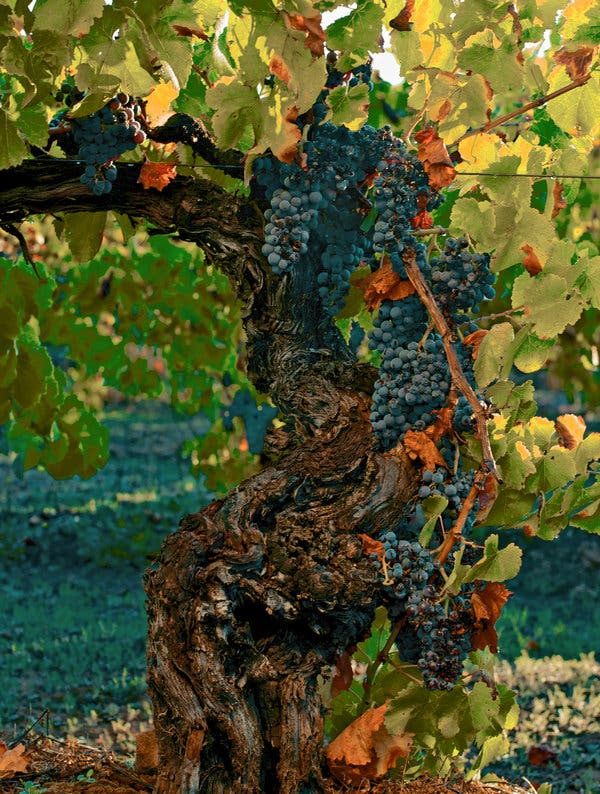


 Wilhelm's space