
-
Recent Posts
- Der HERR ist seines Volkes Stärke, Hilfe und Stärke für seinen Gesalbten. (Psalm 28)
- 18. Sonntag nach Trinitatis (Das andere Gebot)
- Lobe den HERRN, meine Seele, und was in mir ist, seinen heiligen Namen! (Psalm 103)
- Wohl den Menschen, die Dich für ihre Stärke halten und von Herzen Dir nachwandeln! (Psalm 84)
- Aber das ist meine Freude, daß ich mich zu Gott halte und meine Zuversicht setze auf Gott den HERRN, daß ich verkündige all Dein Tun. (Psalm 73)
Archives
- October 2026
- September 2026
- August 2026
- July 2026
- June 2026
- May 2026
- April 2026
- March 2026
- February 2026
- January 2026
- December 2025
- November 2025
- October 2025
- September 2025
- August 2025
- July 2025
- June 2025
- May 2025
- April 2025
- March 2025
- February 2025
- January 2025
- December 2024
- November 2024
- October 2024
- September 2024
- August 2024
- July 2024
- June 2024
- May 2024
- April 2024
- March 2024
- February 2024
- January 2024
- December 2023
- November 2023
- October 2023
- September 2023
- August 2023
- July 2023
- June 2023
- May 2023
- April 2023
- March 2023
- February 2023
- January 2023
- December 2022
- September 2022
- August 2022
- July 2022
- June 2022
- April 2022
- March 2022
- February 2022
- January 2022
- December 2021
- October 2021
- September 2021
- July 2021
- June 2021
- May 2021
- March 2021
- February 2021
- January 2021
- December 2020
- November 2020
- October 2020
- September 2020
- August 2020
- July 2020
- June 2020
- May 2020
- April 2020
- March 2020
- February 2020
- January 2020
- December 2019
- November 2019
- October 2019
- September 2019
- August 2019
- July 2019
- May 2019
- April 2019
- March 2019
- February 2019
- January 2019
- December 2018
- November 2018
- October 2018
- September 2018
- August 2018
- July 2018
- June 2018
- May 2018
- April 2018
- March 2018
- February 2018
- January 2018
- December 2017
- November 2017
- October 2017
- September 2017
- August 2017
- July 2017
- June 2017
- May 2017
- April 2017
- March 2017
- February 2017
- January 2017
- December 2016
- November 2016
- October 2016
- September 2016
- August 2016
- July 2016
- June 2016
- May 2016
- April 2016
- March 2016
- February 2016
- January 2016
- December 2015
- November 2015
- October 2015
- September 2015
- August 2015
- July 2015
- June 2015
- May 2015
- April 2015
- March 2015
- February 2015
- January 2015
- December 2014
- November 2014
- October 2014
- September 2014
- August 2014
- July 2014
- June 2014
- May 2014
- April 2014
- March 2014
- February 2014
- January 2014
- December 2013
- November 2013
- October 2013
- September 2013
- August 2013
- July 2013
- June 2013
- May 2013
- April 2013
- March 2013
- February 2013
- January 2013
- December 2012
- November 2012
- October 2012
- September 2012
- August 2012
- July 2012
- June 2012
- May 2012
- April 2012
- March 2012
- February 2012
- January 2012
- December 2011
- November 2011
- October 2011
- September 2011
- August 2011
- July 2011
- June 2011
- May 2011
- April 2011
- March 2011
- February 2011
- January 2011
- December 2010
- November 2010
- October 2010
Categories
- Abendgebet
- Advent
- Articles from South Africa
- Bagster's Daily Light
- Bibel und Übersetzung
- biographies and other stories
- Book of Concord: Confessions of the Evangelical Lutheran Church
- Buß- und Bettag
- Christenlehre
- Christmas
- Confession and Absolution
- Dr. Martin Luthers Predigten
- Eastertide
- Ende des Kirchenjahres
- Epiphanias
- Epiphany
- Exaudi
- Family and friends
- Feierabend
- From Africa
- Gedankensplitter
- Gesangbuch
- Gottesdienst
- Gründonnerstag
- Griechenland 2020
- Großer Katechismus
- Herrenhuter Readings
- Himmelfahrt
- Histories
- Histories, biographies and other stories
- Holy Land
- Hymns
- Inside Germany
- Invocavit
- J.S. Bach
- Jubilate
- Judika
- Kantate
- Karfreitag
- Karsamstag
- Kirchenjahreszeit
- Kleine Katechismus
- Kleiner Katechismus
- Last Sundays in the Church Year
- Lätare
- Lectionary etc
- Lent
- Lieder
- Losung & Lehrtext
- Losung and Lehrtext
- LTS in Tshwane
- LTS Partners: University of Pretoria
- LTS Preschool
- Lutheran Church in Southern Africa
- Lutheran Confessions
- Lutheran Order of service
- Lutheran Theological Seminary in Tshwane
- Lutheran World
- Lutherische Mission
- Luthers Hauspostille 1544
- Lutherstadt Wittenberg
- Martin Luther and the Reformation
- Matins
- Matins in the morning
- Matins on Mondays
- Meditations by P.Wilhelm Löhe (Translation)
- Misericordias Domini
- Missionsblatt
- Mittagsgebet
- Morgengebet
- Morning Prayer
- Movies
- Newsletter
- Obituary
- Okuli
- Old Latin School in Wittenberg
- Ostern
- Palmarum
- Passionszeit
- Paul Gerhardt
- Pentecost
- Pfingsten
- Pfingsten
- Politics, philosophy and other perspectives
- Predigten in der ALS
- Prelenten Sundays
- psalms and spiritual songs
- Quasimodogeniti
- Quasimodogeniti
- Reminiscere
- Reminiscere
- Rogate
- Rundbrief
- Saints of the church
- Saxony-Anhalt
- SELK News
- Sermon
- sermonette or devotion
- Sights and pictures
- Slavery
- Sport and exercise
- St. Michaels and all Angels
- St.Paul
- Sunday
- Sundays before Lent
- Table talk
- Tageslese
- Theologie
- Totensonntag
- Travels
- Trinitatis
- Trinity (The church season after Pentecost)
- Ukraine
- Uncategorized
- Vater Wihelms Rundbrief
- Vorfasten
- Weihnachten
- Wilhelm Löhe Evangelienpostille
- You comfort me +
Chinesische Philosophie: Herrje, bin ich alt geworden – SPIEGEL ONLINE – Nachrichten – Kultur
Chinesische Philosophie: Herrje, bin ich alt geworden – SPIEGEL ONLINE – Nachrichten – Kultur
via Chinesische Philosophie: Herrje, bin ich alt geworden – SPIEGEL ONLINE – Nachrichten – Kultur.
Posted in Uncategorized
Leave a comment
The Coming Insurrection « Support the Tarnac 10
Tolle lege and carpe diem:
The Coming Insurrection « Support the Tarnac 10
Posted in Uncategorized
Leave a comment
Medizin: Rückfall ins Mittelalter – SPIEGEL ONLINE – Nachrichten – Wissenschaft
Medizin: Rückfall ins Mittelalter – SPIEGEL ONLINE – Nachrichten – Wissenschaft
via Medizin: Rückfall ins Mittelalter – SPIEGEL ONLINE – Nachrichten – Wissenschaft.
Posted in Uncategorized
Leave a comment
Travelling home
Another academic year comes to a close at LTS in Tshwane. Our students are packing after partying last night, thankful that they have completed another year of training to become Lutheran Pastors. Now they are looking forward to a holiday with their families and a blessed Adventide!
Posted in Uncategorized
Leave a comment
Thanksgiving: Rector’s brief
The 4th academic Quarter of 2010 lies behind us at LTS and our Seminarians are on their way home after more or less two busy semesters, successful examinations, evaluations and acknowledging of success and failure. This year the LTS in Tshwane was able to teach, accommodate and support more than fifty students at various levels utilizing nearly twenty teachers and living off the ongoing support of friends of the LTS in South Africa and abroad – especially from the LCMS, but also regularly from the LKM/SELK and its South African counterpart the MLC, various congregations and individuals in both the FELSiSA and the LCSA. Both the LCMS districts Rocky Mountains under President Randy Golter and South Illinois District deserve special mentioning for their contributions to the LTS in Tshwane. By God’s grace the means, joy and capacity was provided to keep our Seminary running without major disruptions, but rather smoothly as a venue of devotion, peace, contemplation, theological studies, discourse and dialogue, music and a bit of volley ball too. I believe it is a good home for the Lutheran Seminarians learning and teaching here. A good reason to celebrate “Thanksgiving” and especially so as our Seminary has been here in Pretoria for an entire decade – 10 years under the protection, good will and mercy of our Lord – the triune God – who’s goodness never ends!
Dr. Gunter Rencken [Chairman of the LTS Board of Directors] sends his regards, congratulates the achievers amongst the Seminarians and thanks all friends of the Seminary. He is on a business trip and is sorry that he can’t be with us today. The same holds true for Mr. Berno Niebuhr/Mr. Michael Grosse, who both excused themselves.
We are very well aware that a lot of the good achievements here in Pretoria were due to the good foundations laid by the Lutheran Church in Southern Africa way ahead of this time and far off in Enhlanhleni, which is situated in the poorest of SA’s rural areas: Umsinga. There students were well prepared in a 7-year-program that was constantly being fine-tuned to meet the pastoral needs of the LCSA in its rapidly changing context. Six of those students, who started off in Enhlanhleni eventually graduated with Honours and even Masters degrees in Pretoria. It’s mainly due to the good foundations laid back in KZN that this was possible.
Today we are also praising God that he has provided this Seminary with life-long teachers and friends, who have enabled the smooth running of this institution over decades. Both Mr. Rifford Thwala and my father [Rev. E.A.Wilhelm Weber DD] served this Seminary in Enhlanhleni before continuing with this service for some time even here in our nation’s capital.
Mr. Thwala was a long-standing member of the Seminary Supervisory Board first as a delegate of the LCSA diocese in Gauteng, but later also as the chairman of the LTS Board of directors. Mr. Thwala served this institution well for many years and was part of the supervisory board which oversaw the move of the Seminary from the rural Umsinga to the urban Arcadia. It was always his desire to have this Seminary called “St. Timothys” – and I hope that meeting in this chapel called after this faithful bishop, teacher and pastor of the early church will be gratifying to him. We thank God that he has provided the Church with such faithful men, who work through good and bad days to serve the Church in its various ministries to the very best of their abilities. Baba Thwala siyabonga! We pray that your days in retirement will be blessed and that you too will once see, what you have here believed – for Christ’s sake. Voluntary service likes yours makes it possible for the church to address some of its massive challenges and we are very grateful for your unwavering services over years.
In this year my father Rev. E.A.W.Weber was blessed to celebrate his 50th Ordination jubilee. We as family, as LTS and also as the LCSA are thankful for the long time God has spared him and enabled him to serve this our Church and especially this very LTS as missionary of the Mission of Lutheran Churches [MLC – previously MELF] for five decades even if he had lucrative offers to move elsewhere instead.
You were ordained in 1960 by Missionsuperintenden Christoph Johannes and installed by missionary Johannes Henning in Roodepoort/Ventersdorp [W.Transvaal] as pastor of that large congregation after learning SeTswana. It was a good time for you and your wife and looking at photos of your children – they were very happy there too. When travelling in the NW-province today, I am again and again reminded by congregants there that they have not forgotten your services. Since that time you were called to serve as teacher at the LTS in Enhlanhleni. You learnt isiZulu, you wrote your dissertation, you were called to serve as rector of the Seminary for nearly 30 years, but also as deputy-dean of KZN for nearly 20 years, as Church treasurer also for nearly 2 decades and as keeper of the minutes of the LCSA Church Council for the same time and besides all that you together with your wife Karin still raised a family of nine children, teaching them not only the Christian life, but also the basics in playing piano and brass instruments, hunting and enjoying the beauty of SA in the mountains and by the sea. Most of all I believe you taught us to love the Christian Church with a special soft spot for the confessional Lutheran Church wherever it is – taking us to Swaziland, Botswana, South Africa, but also abroad to the Lutheran churches in France/Alsace Lorraine, England, Denmark, Finland, East- and West-Germany, bringing up theologians like Wilhelm Oesch [Oberursel], Robert Preus [Ft.Wayne], Hermann Sasse [Australia] and Friedrich Wilhelm Hopf [Bleckmar] and others you met at conferences/meetings in the USA, Canada and Australia in the table talk in Enhlanhleni, where we sat with bishops, deans, pastors and evangelists of the LCSA: Schulz, Dube, Ntuli, Lenkwe, Mogale, Segoe and many others friends and visitors. Your daily prayer list mentioning morning and evening the other confessional Seminaries throughout the world: Oberursel, Ft.Wayne, Cambridge, St. Louis, St. Catherines, Mequon, Edmonton, Sao Paulo, Porto Allegre, Nagercoil, Adelaide besides the LTS in Enhlanhleni created space in our little brains for the one, holy Christian Church of which we thankfully are a part of – not domed to a sectarian isolation, which was worsened by apartheid ideology. And God has graciously answered your prayers. Those Seminaries still exist and some even thrive. The list as lengthened even. God has continued to provide students and teachers to learn, teach and live faithfully as students of the Word of God. The triune God has provided more than you asked for, when you pleaded for the means, the joy and also the ability to do the work he called us to do. You loved being a pastor – as far as I could judge that from the outside. Even Saturday afternoons you would go in full-armour of a Lutheran pastor’s battle dress to conduct the weekend service up at the Church – not once or twice, no regularly. Just as you would play the Lutheran chorals and tunes on the piano Sunday mornings before breakfast. You enjoyed preaching be it in Gunjane in a thatched hut on a Zulukraal, in Uelzen on a German oak pulpit or in Umlazi in an exploding South African township. You didn’t miss a chance of being part of Youth Retreats up in NW. You wrote continuously – by hand, on a typewriter and then very soon on a computer: Sermons, speeches, newsletters, translations, minutes and family letters. You made time to have tee and coffee breaks with your wife and you never missed a chance to sing her praises. You regularly picked up your children at school in Uelzen or Wartburg. You even found time to accompany them to athletics, see their school plays and take them on class tours to Durban or into the Berg. You have had your share of trouble too. You have buried your father, mother and brother besides losing this or that good friend along the way and your cousin just a few days agao. You know that what remains of all the work, trouble and joy of this time and world, remains under the gracious hand of your heavenly father, who forgives us all our trespasses and heals all our diseases, who redeems our life from the pit and crowns our lives with love and compassion. And thankfully nobody and nothing can pull us from his hand – now or ever. That gives strength, courage, hope and faith even things look gloomy.
Allow me to point out the end of Moses, which we read about in Dt. 34,1-4: Then Moses went up from the plains of Moab to Mount Nebo, to the top of Pisgah, which is opposite Jericho. And the LORD showed him all the land, Gilead as far as Dan, all Naphtali, the land of Ephraim and Manasseh, all the land of Judah as far as the western sea, the Negeb, and the Plain, that is, the Valley of Jericho the city of palm trees, as far as Zoar. And the LORD said to him, “This is the land of which I swore to Abraham, to Isaac, and to Jacob, ‘I will give it to your offspring.’
You have been there and seen that land with your own eyes too. You saw, that God’s promises to Moses were fulfilled even in that regard, but much more in Jesus Christ – our Lord and Savior. Well, you have seen and tasted the friendliness of our Lord and God, you have heard, learnt and believed his promises of the promised city, land and world in the new creation, you have taught, preached and confessed that we will one day also see, what we have here believed, because he is faithful and does as he says. And one of his most comforting promises is that the portals of hell will not destroy his Church. No, for Christ’s sake the Church will remain forever. Not because you or we or our children hold it, but because he himself is the foundation, pillar, cap- and cornerstone and nothing can prevent his Church from remaining his dwelling forever a sanctuary for all those, who are tired, heavily burdened and seeking rest. There in his gracious, merciful and friendly presence, you have solace, peace and joy – now and forever. He who has started the good work in you will complete it for Christ’s sake. That’s comforting to you, to us, but also to the Church as a whole. Praise be to his name now and forever +
The past cooperation with Lutheran Churches across the continent and even abroad has kept our Seminary at feasible levels on most counts. Without international support the LCSA would not be able to train its future pastors and deaconesses in such a professional and excellent fashion. We just don’t have enough teachers, students, resources or capacity to do this alone. However because I believe that this is not required of us either it doesn’t perturb me. On the contrary I see this interdependence as a true strength of the global Lutheran Church enabling local excellence with international flavour. Networking, cooperation and interdependence are not swearwords, but great blessings in the Church. St. Paul talks about the various members of the body cooperating for the common good. Well, I believe that that is what this Seminary is about. Left to our own devices we in the LCSA would be much more imperfect, handicapped and even paralysed than we are. Thankfully the triune God has joined us together with faithful friends across the globe by the shared Lutheran confession with the common purpose and mutual goal of striving faithfully to fulfil his mission in this world making disciples amongst all nations by means of pure gospel teaching and administration of the sacraments just as he instituted them.
I am convinced that our role as confessional Lutheran Church and especially as those training future Lutheran pastors for service in Africa is going to grow in urgency and significance as time passes. Not only is the church growth in Africa phenomenal, but sadly also the level of ignorance and even rejection of key doctrinal matters concerning us and our salvation. Theology matters and it matters very much in Africa. We need to cooperate much more closely with our brothers and sisters on the continent in the theological training of our future pastors, but also in addressing the burning issues of this time and age in this specific context and situation as it prevails in Africa. This holds true especially for the sister seminaries of the ILC in Ghana, Nigeria and Kenya or if you prefer: West, Central, East and South Africa. Four main areas in the Lutheran Church of Africa – each with their own basic courses in theology, but pooling together for the optimal use of resources on the post-graduate or advanced levels as envisioned by the Lutheran Chair of Theology at the University of Pretoria.
As Bishop of the LCSA I am thankful that the transition into this additional office has not disrupted the running of the LTS in any significant way. On the contrary I believe that the close connection of the LTS to the LCSA Church Office has facilitated the streamlining and fine-tuning of the necessary cooperation between these two bodies. This holds true especially for the recruitment of students, their ongoing support by the various dioceses, their placement for practicals, internships and vicarage, their ecclesial evaluation, approbation and calling. Finally it helps to get the training to be even more concentrated and focussed on the pastoral outcomes. In the past the LCSA has done well like other Lutheran Churches by having its bishops located at the Seminary and even fulfilling leading roles there. I am happy that this trend is set to continue.
Although you have been updated on the happenings at the LTS throughout the year by the quarterly newsletter, sporadic ruminations of the LCSA Bishop, emails, notes and comments on the web via this blog and Face book and even by snail mail allow me to give a brief outline of the year at LTS.
Student Abia Anibati from the Lutheran Church in Sudan was the student representative in the past year. Enoch MacBen from the Lutheran Church in Uganda was their secretary and Gemah Ballah from the Lutheran Church in Liberia was their treasurer.
We had 55 students and nearly 20 teachers with us during the past year 2010: 11 students in the Beginners Course; 12 in the Main Course; 23 in the Advanced Course and finally 9 in the Deaconess Course.
It is my suggestion to the Shareholders coming Tuesday that we should make more use of the professional services of UP lecturers in the Beginners Course specifically in both the biblical languages Greek and Hebrew, but also in Academic and computer skills. This would ensure that we are indeed working at university standards and promote our chances of accreditation. Both the introduction to the Bible of the Old and New Testaments and also to Lutheran Theology using Luther’s Catechisms and the Augsburg Confession over 2 years, remain our domain.
A special word of recommendation to Rev. Tswaedi, who in the past year taught both subjects from the Old and the New Testament under the heading of biblical theology. His fast experience in the leadership of the Lutheran Church in Southern and the rest of Africa on ILC-level are priceless. We pray that it will benefit the formation of future Lutheran pastors from the continent to become faithful servants of God’s word in the ministry they have been called to serve. We also pray that Rev. Tswaedi will have enough resilience, joy and energy to continue with his pastoral ministry in Mofolo N, his ongoing theological studies and personal research. Please give our heartfelt gratitude to both your wife and your congregation that they have consented to have you serve here at LTS. Umfundisi Musawenkosi Mntambo has made himself very useful at the LTS over the past decade. He is serving not only as teacher in various subjects, but also as chaplain responsible for the Seminary devotions. Siyabonga umfundisi and may you and your family be blessed richly as you continue to serve the Lord of the Church: Jesus Christ +
Salomé van Niekerk has now been with the LTS for nearly one and a half years. She’s acquainted herself well with the tasks at hand and is especially adept at communicating with staff, students, guests and visitors. She did the flowers today, the program, the certificates and lots of other hidden arrangements. Thank you very much Salomé. You are a great helping hand, smiling assistant and very good secretary here at the LTS. She is now engaged to Neill and they are planning to marry next year. God bless you both according to his abundant love and goodness +
Together with the volunteers Pat & Lee Hoffmeier [LCMS SID: January – March], Kianga Rehr [SELK – LKM: January-March]; Minka Schulz [SELK – LKM: March-May], Friederike Weber [August-] and Vincent Cane [November-December] Salome has done some tremendous cleaning up of the filing system at LTS, but also of the various places the LTS stores books, clothes, tools and stationary.
Together with Anita Burnham [LCMS RMD: January – June] and Renate Straeuli [FELSiSA: St. Pauls August – November] they have managed to accommodate guest professors, visitors and participants of various courses successfully. In the last Semester lunch has been served regularly to the students and available staff at St. Pauls, which has improved the atmosphere at the Seminary significantly. Thankfully Renate has agreed to continue with this service next year.
”]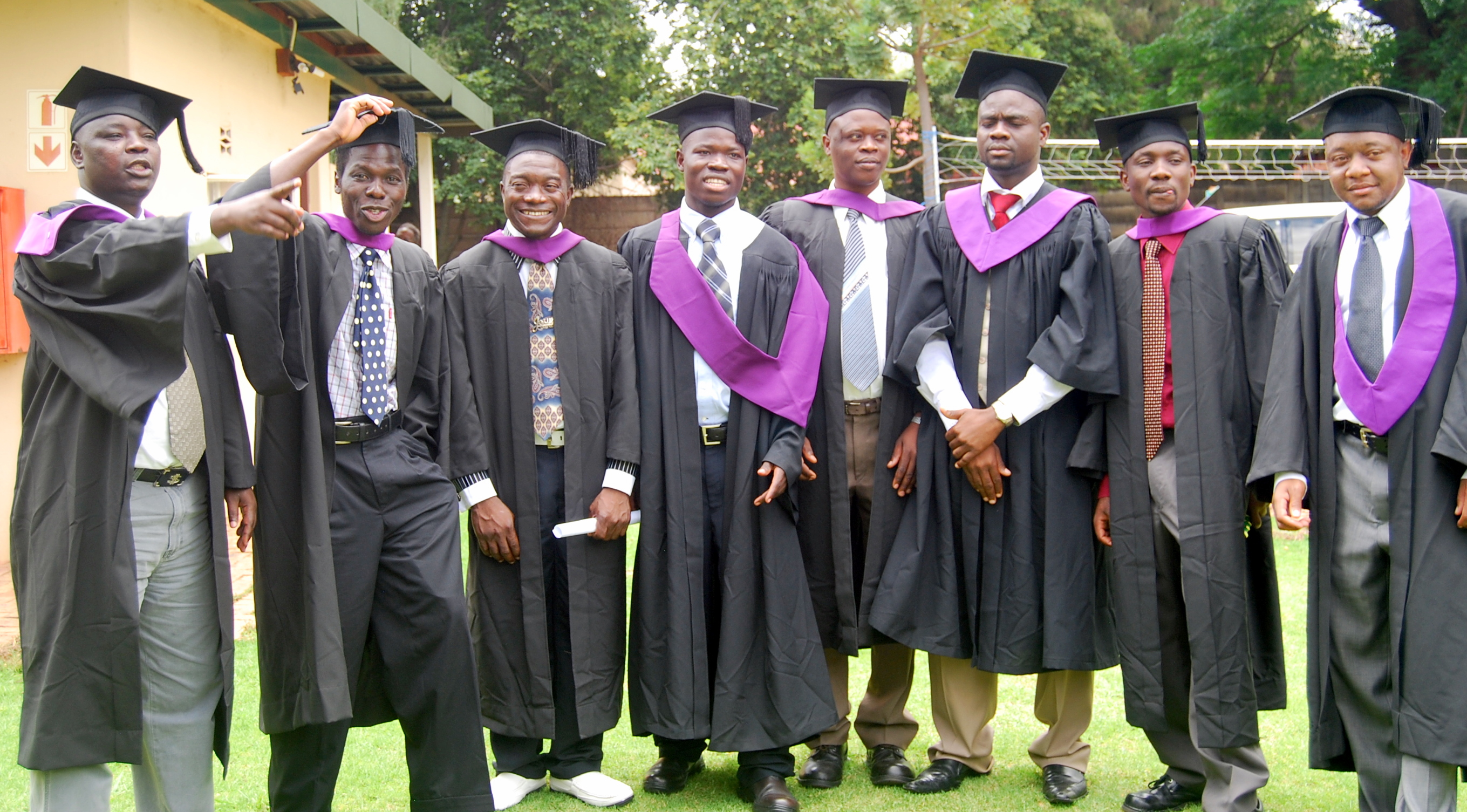 Thank you for your support and for your input to have this our beloved LTS in Tshwane grow, mature and expand to its full capacity and potential. May the triune God continue to bless it and the entire Lutheran Church in Southern Africa and abroad with his grace, peace and good-will as he did in the past!
Peace be with you all for Christ’s sake +
Bishop Dr. Wilhelm Weber: Murrayfield, the 24th November 2010.
Posted in Uncategorized
Leave a comment
Daily Light for Wednesday morning 10th November [Luther’s Birthday]
Fruitful in every good work … so as to walk in a manner worthy of the Lord, fully pleasing to him, bearing fruit in every good work and increasing in the knowledge of God. 1 I appeal to you therefore, brothers, by the mercies of God, to present your bodies as a living sacrifice, holy and acceptable to God, which is your spiritual worship. Do not be conformed to this world, but be transformed by the renewal of your mind, that by testing you may discern what is the will of God, what is good and acceptable and perfect. 2 I am speaking in human terms, because of your natural limitations. For just as you once presented your members as slaves to impurity and to lawlessness leading to more lawlessness, so now present your members as slaves to righteousness leading to sanctification. 3 For neither circumcision counts for anything, nor uncircumcision, but a new creation. And as for all who walk by this rule, peace and mercy be upon them, and upon the Israel of God. 4 By this my Father is glorified, that you bear much fruit and so prove to be my disciples. You did not choose me, but I chose you and appointed you that you should go and bear fruit and that your fruit should abide, so that whatever you ask the Father in my name, he may give it to you. 5
______________
1. Col 1:10; 2 Rom 12:1,2; 3 Rom 6:19; 4 Gal 6:15,16; 5 Joh 15:8,16;
Posted in Uncategorized
Leave a comment
My father’s newsletter this week…
In den vergangenen Tagen las ich, dass Georg Gänswein,
Privatsekretär des Papstes, für den von ihm herausgegebenen Bildband “Benedikt
XVI – Urbi et Orbi” mit dem “Capri San Michele” Preis 2010 ausgezeichnet worden
ist. Es freut mich, wie Monsignore Gänswein seinen Arbeitgeber bewundert. Da
liest man z. B.: “Papst Benedikt XVI hat der Kirche und der Welt ein lehrreiches
Beispiel eines pastoralen Stils gegeben: Wer einen kirchlichen Dienst beginnt –
das ist seine Ermahnung -, darf die Spuren dessen, der vor ihm gearbeitet hat,
nicht auslöschen, sondern er muss seine eigenen Fußstapfen demütig in die Spuren
dessen setzen, der vor ihm gegangen ist und sich abgemüht hat. Wenn das immer so
wäre, dann würde ein reiches Erbe an Gutem gerettet, das dagegen oft zerstört
und verschwendet wird.” Dabei erinnere ich mich an das schöne Löhewort aus
seinem “Evangelischen Geistlichen”: Schone deinen Vorgänger und deinen
Nachfolger im Amt!
Selbstverständlich soll das für uns nicht heißen, dass wir
alles gut heißen, was unsere Vorgänger getan haben. Wir dürfen ihre Irrwege
nicht einschlagen oder als falsch erkannte eigene nicht weiter gehen. Es heißt,
dass wir, wo es nötig wird bei unserer Vergangenheitsbewältigung, wenn wir
Sünden, Fehler oder Irrwege vor allem anderer benennen und aufdecken, immer auch
E 4, 31-32 beachten: “Alle Bitterkeit und Grimm und Zorn und Geschrei und
Lästerung seien fern von euch samt aller Bosheit. Seid aber untereinander
freundlich und herzlich und vergebt einer dem andern, wie auch Gott euch
vergeben hat in Christus.” Wieviel an Gutem, was ein Vorgänger gemacht hat, was
trotz all seiner Sünden, seiner Fehler und seiner Irrwege an echtem Vertrauen,
Glauben und Liebe aufgebaut worden ist in seiner Gemeinde, wird zerstört, wenn
mit Bitterkeit und Grimm seine Fehler und Irrwege aufgedeckt werden! Paulus
betet für die Korinther, damit sie ja nichts Böses tun, auf keinen Fall es ihm
nachtun, wo er ihnen möglicherweise als Untüchtiger erschien.
Wie verderblich ist es, wenn z. B. die enge Bindung an Schrift
und Bekenntnis in einer Kirche verlassen wird, weil man den Vorgängern
Lieblosigkeit in der Ausführung in ihrer Bindung an Schrift und Bekenntnis
nachweisen kann, oder weil der Vorgänger, der auf Zucht und Ordnung gedrungen
hat, und dann selbst öffentlich sündigt, man dann Zucht und Ordnung einfach als
nicht mehr für so nötig erklärt in einer christlichen Gemeinde. Ein Beispiel, wo
Nachfolger die Spuren der Väter verlassen haben, nennt Conrad Dreves im
Junimissionsblatt des Jahres 1899. Dort schreibt er auf S. 44-46: “in der
afrikanisch-lüneburgischen Prozeßsache vor dem Amsterdamer Gericht ist die
Aussage gemacht: wir, die Hannoversche evangelisch-lutherische Freikirche,
hätten eine ganz andere Abendmahlspraxis als die, welche Pastor Th. Harms bei
seinen Lebzeiten gehandhabt hätte, nämlich eine viel strengere und engere, sodaß
….” Daraufhin zitiert das Missionblatt Teile aus der Stellungnahme, die Th..
Harms gegen die Immanuelsynode veröffentlichte und zwei Briefe, die Th. Harms
einem Gemeindeglied schrieb, das ihn um seinen Rat gefragt hatte, ob er auf
Besuch bei landeskirchlichen Verwandten mit ihnen in ihrer Kirche mit zum
Abendmahl gehen könne. Der Herr schenke der Kirche, die sich an Schrift und
Bekenntnis gebunden weiß, nie die Spuren der Väter zu verwischen oder sogar
auszulöschen. Dabei denke ich auch ein wenig an den Weg unserer Lutherischen
Kirche im Südlichen Afrika, dass die Väter 1956 auf der Synode in Salem das Wort
Bantu aus dem Namen der Kirche, der vorgeschlagen war, gestrichen haben. Auf
keinen Fall sollte sie an eine Rasse gebunden werden. Sie sollte offen sein für
alle, für San, Inder, und gerade auch für Weiße. Dieser Grundsatz fand seinen
Niederschlag auch in den Beschlüssen der konstituierenden Synode 1967 in
Ventersdorp/Roodepoort, dass weiße Missionare ihren Dienst mit gleichen Rechten
in der Kirche ausüben sollten, wie vorher in den Missionsgemeinden. Die Fehler
durch die weiße Apartheid dürfen nicht durch schwarze Apartheid überwunden
werden. Auch die schwarze Apartheid hat kein Recht in der Kirche. Die Kirche ist
für die Menschen und Amtsträger aller Völker aller Zeiten. Leider verließ die
LuKiSA auf Druck vonseiten der Vorstellungen der Mission und einiger Missionare
hier die Spuren der Väter von 1956 und 1967 Ende der achtziger Jahre mit
Kirchenleitungs- und Synodalbeschlüssen. Durch die Wahl eines Weißen zum Bischof
der Kirche sind die Beschlüsse der achtziger Jahre ein wenig revidiert worden.
Ich hoffe, dass in Zukunft wieder immer mehr von einer gesunden Amtslehre her in
der Kirche die Pflichten auch ausländischer und überhaupt weißer Amtsträger
beurteilt werden. Dass die FELSiSA den Weg, den sie mit der Aufnahme der
Gemeinde Diepkloof beschritten hat, nun konsequent weitergehen möchte, wollen
wir von Herzen vom Herrn erbitten, dass da dann die weiße Apartheid überwunden
wird. Dekan Isashar Dube wies darauf hin, dass der englisch sprechenden
Indergemeinde die Bitte um Benutzung der Kirche einer deutschsprachigen Gemeinde
abgelehnt wurde, dass den englisch sprechenden Weißen die Benutzung ihrer Kirche
ganz selbstverständlich gewährt wurde. Durch diesen Hinweis hinterfragte er die
Begründung der Trennung unserer beiden Kirchen aufgrund der Sprachgrenze durch
das Deutsche. Der Herr erbarme sich über uns und erhalte uns die Einigkeit im
Glauben als unions-, staats- und weltbundfreie Lutherische Kirchen in diesem
vielvölkischen Land, die zusammengehören und immer mehr zusammenwachsen nach
seinem Willen und Wohlgefallen! Was bei Menschen unmöglich erscheint, kann Gott
möglich machen. Leider erscheint manchem in Südafrika die Überwindung der
Kirchengrenzen zwischen Menschen gleicher Hautfarbe für dringender und
möglicher, als die Überwidnung von Grenzen zwischen kirchlich Gleichgesinnten
aufgrund verschiedener Hautfarbe. Das wird dann sogar mit der Behauptung
bekräftigt, man sei kein Rassist. Ich wiederhole: Was bei Menschen unmöglich
erscheint, ist bei Gott möglich.
Mit herzlichen Grüßen
Euer Wilhelm Weber aus Welbedacht
Posted in Uncategorized
Leave a comment
Praying in the DMZ
Today the conference members were picked up early in the morning to go to the DMZ [Demilitarized Zone] between N – S Korea. It was not quite as intimidating as the old border between East and West in Germany. No dogs barking, no rude guards and no excessive display of guns and stuff, but there was lots of barbed wire, lots on tense faces and whole bag full of rules and regulations. Well, we were four bus loads full of people and they say they handle 1, 000 visitors daily. Incidents have been minimal and seemingly is just to preserve the Kim-Dynasty up North – no matter what the costs- and China plays the game of “leave things as they are” and “don’t rock the boat” and “harmony is the highest good” – never mind the damage done to families, individuals and an entire society by this terrible partition cutting it in two hurting parts.
The prayer meeting was something quite unusual to me. Using formulated prayers as guidelines, the liturgist lead prayers on “Hunger and Poverty”; “Human rights”; “Religious Conflict”; “Peace and the Kingdom of God” and also “Families”. The Korean melodies were lovely – and also tonight at the church again. Never heard such tunes before, but they were very moving and deeply touching. We did not only wear our red prayer shawls with Korean motives, but also watched a very sensitive film on the tragedy of Korea being seperated into two. All in all a memorable experience and fitting introduction to the academic exercise starting tomorrow.
At the devotional service at the Youngnak Church this evening the very Rev. Prof. Iain Torrance, whose the president of Princton Theological Seminary, USA gave a lenghty paper on Peace & Reconciliation. He did not only touch on the live of Rev. Kyung-Chik Han, but also on St. Cyprian in the Early Church, Ireland, South Africa and related persecution, famine and political suppression there to the Korean context. If one remembers that all of that was translated, he was quite brave to speak for such a long time on a Monday evening. The Church was packed as before, the people were listening and singing attentively, even the student choir was assembled and in action. Let’s see where this goes tomorrow.
I met some more fascinating Africans – amongst others Prof. Dr. Christo Thesnaar [US, Stellenbosch], whose a practical theologian also working for the Institute for Healing of Memories – and at last had the chance to talk in Afrikaans. Fascinating people, serious discussions and most intriguing conference. I love it!
Posted in Uncategorized
Leave a comment

