Workshop on “Women and ordination”

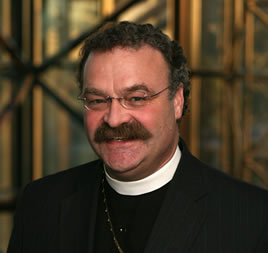
On Saturday, the 5th March, the LTS offered a workshop on “women and ordination”. This had been initiated by the LCSA Botswana diocesan synod in November 2010. After deliberations with the LCSA Church Council the workshop was planned at the Seminary to attract more visitors from other dioceses too. Here the delegation from Botswana is seen with the 2 guest-speakers: Prof. John T. Pless [Ft.Wayne, In] and Prof. Dr. John Kleinig [Australia]. God willing a follow-up of this workshop is planned in more dioceses before tackling the next issue at LTS: “Homosexuality” in August.


"Women and ordination"

Workshop at LTS


Posted in Uncategorized | Leave a comment

Vicar’s induction in Siyabuswa

On the 13th March—Invocavit Sunday—Thokane Skosana was inducted into his vicarage at St.Peter’s Lutheran Church in the town of Siyabuswa, KwaNdebele.

Last year he finished his studies at the Lutheran Theological Seminary in Tshwane and now he is to serve under the auspices of Bishop Dr. Mandla Kuhmalo of St. Peter’s Lutheran Church in Middleburg, Mpumalanga.

Several Seminarians were part of the joyful occasion . Here vicar Skosana is seen with some of his teachers Bishop Weber and Prof. Dr. Kleinig from Australia.

Vicar's induction at Siyabuswa

Induction in Siyabuswa, KwaNdebele


Posted in Uncategorized | Leave a comment

An Australian in Africa

Discussions after Matins

Discussions after Matins

Since reading the novels of Andre Brink I have wanted to visit South Africa. The desire has grown as I have followed the course of events in this country over the last 25 years. My curiosity about the political and social changes that have occurred has also aroused my interest in discovering how the Lutheran church has adapted to its changing context here since the end of apartheid.

So when Dr Weber asked me to come to teach at the Lutheran Seminary in Tshwane and I discovered that the seminary drew on students from many different Lutheran churches in Sub-Sahara Africa, I had no hesitation in accepting his invitation. This was made easier for me by my retirement in 2010 from full time teaching at the Australian Lutheran College, formerly called Luther Seminary, in Adelaide, South Australia.

Since 1982 I have been training pastors there for ordination by teaching courses on introduction to the Bible, the Psalms, wisdom in the Old Testament, the theology of the Old Testament, liturgics, preaching, and Lutheran spirituality. You can see from this that while I teach in many different areas, my main expertise is in the Old Testament. That’s what I have studied in my post-graduate work at the University of Cambridge in England. For my master’s degree I submitted a thesis on the getting of wisdom in Proverbs; for my doctorate I wrote a published dissertation on the basis, function and significance of choral music in Chronicles. I have also written a commentary on Leviticus and book on Lutheran Spirituality called Grace Upon Grace.

Here in Pretoria I have been teaching two intensive courses, the first over two weeks on the Psalms and the second over one week on Lutheran spirituality. This has been most enjoyable for me, because, as we have studied these topics, we have, from the questions of the students, also covered many practical topics such as spiritual warfare, ancestral spirits, the purpose of praising God, the Lutheran theology of worship, and providing pastoral care for African people in many different situations.

One of my passionate interests is the cross-cultural communication of the gospel with a concern for evangelising and teaching people from animist societies, such as the Aborigines in Australia as well as tribal people in New Guinea, Malaysia, Indonesia, Thailand and India. From my own experience I have discovered how God’s word seems to transcend the barriers of language and custom and culture. So I have been eager to discover how the gospel has been taught and received by various tribal groups here in Africa.

There is so much that I have learnt so far in the short time that I have been here. Two things have struck me most in my exposure to African Lutherans here at the seminary and in the few congregations that I have visited. The first is the wonderful African way of singing and praising God. With that goes a sense of rhythm and bodily movement that I have never seen anywhere else. The other is the challenge to the Lutheran church from various Pentecostal churches that put more emphasis on what we do and bring to God in worship than on what the triune God does for us and gives to us through his word.

Many scholars who study the mission of the church around the world, claim that within the next century the church will, most likely, be strongest in Africa. I do know if that will happen. But I am grateful to see for myself just a little of what is happening in this wonderful continent.

Prof. Dr. John Kleinig [Australia]

Posted in Uncategorized | Leave a comment

Trip Report by Prof. J.T.Pless

Teaching Lutheran theology and practice

Prof. John T. Pless teaching Lutheran theology and practice

I am grateful to Dr. Wilhelm Weber for the invitation to teach two advanced courses in the intensive term (February 28- March 11) at Lutheran Theological Seminary in Tshwane (Pretoria).  I also wish to thank Benediction Lutheran Church (Milwaukee) and their pastor, Rev. Donald Hougard for providing funds for my flight to South Africa. This term I taught “Catechetics” and “The Theology of Law and Gospel” with 16 students in each class and several students who listened in as their schedules allowed but did not take the classes for credit Each class met for two hours each of the ten days.

The Catechetics class sought to examine the history behind Luther’s development of the Small Catechism, the theology of the Catechism, and approaches to teaching the Catechism. Using Oswald Bayer’s Martin Luther’s Theology: A Contemporary Interpretation as the text for the class, students were exposed to the Catechism as a framework for Luther’s doctrine. Students worked on developing outlines for teaching particular parts of the Catechism in the congregation.

“The Theology of Law and Gospel” was primarily based on C. F. W. Walther’s classic treatment, Law and Gospel with secondary reading from Hans Joachim Iwand’s The Righteousness of Faith According to Martin Luther and my Handling the Word of Truth: Law and Gospel in the Church Today. Although we able only to cover in detail the first nine theses of Walther’s book, students were eager to engage questions relative to the application of the law and the Gospel in preaching and pastoral care in their various African contexts.

The generosity of Salem Lutheran Church (Taylorsville, NC), Trinity Lutheran Church (Reese, MI), Mt. Calvary Lutheran Church (Coldstrip, MT) and numerous individuals made it possible for each student to receive a personal copy of the above-mentioned books. This funding enabled me to take 150 pounds of books for use by students and for the permanent collection at the LTS library.

While at the seminary I preached for two chapel services (March 3 and 10), attended the Divine Service at the Zulu-speaking congregation at Daveytown on March 6, and participated in a seminar on “Women’s Ordination” with Dr. John Kleinig who was also teaching an intensive term course at LTS. Given the pressures put on African churches by the Lutheran World Federation to ordain women, there is interest in a follow up seminar on this topic in August.

Overlapping with my time at LTS was a visit by Dr. and Mrs. Carl Rockrohr and their son, Ted. Dr. Rockrohr has accepted the call to serve LTS and the LCSA, and Mrs. Debra Rockrohr, a deaconess, has accepted the call to work with deaconess education. I fully anticipate that the considerable insight, talent, and energy that Dr. and Deaconess Rockrohr bring to the work in South Africa will be a blessing for Lutherans throughout Africa.

Dr. Michael Rodewald, Area Director for LCMS World Missions, has always been supportive and encouraging of my teaching trips to South Africa. I appreciate his collaborative spirit and thoughtfulness. He and his wife, Cindy, hosted Dr. Kleinig, the Rockrohrs, and me for an enjoyable dinner at their home.

I continue to be impressed with the potential for LTS as it is strategically located to have tremendous influence for confessional Lutheranism in all of Africa. With a student body that includes seminarians from South Africa, Botswana, Uganda, Liberia, Sudan, Nigeria, Kenya, Tanzania, and Ethiopia, LTS is well-positioned to provide sound Lutheran theological education and formation for pastors and deaconesses so desperately needed in Africa today. The establishment of a Lutheran Chair at the University of Pretoria is still in progress. This Chair along with a continual program of short-term, visiting professors from our LCMS seminaries will go a long way in building the capacity of LTS for the challenges that face African Lutheranism. LTS has a vital role to play not only in preparing future pastors and deaconesses but also in raising up confessional Lutheran theologians from Africa and for Africa.

I see these short-term teaching trips by LCMS professors as an important component of the overall work of LTS. In addition to covering courses in the LTS curriculum, we are able to identify, nurture and give guidance to individual students who might be promising candidates for STM or PhD programs at our seminaries in the USA. Visiting professors are also able to assist with continuing education events for the deans and pastors of the LCSA as we did with the seminar of women’s ordination.

This was my fourth teaching trip to South Africa in the last eighteen months. Going back to LTS on a fairly frequent basis has allowed me to establish a good mentoring connection with several of the students and to build an approach to Lutheran pastoral theology incrementally in the courses I teach. I have appreciated the opportunity to visit with some the LTS students also cross-registered in degree programs at the University of Pretoria. The majority of the faculty at the University of Pretoria are either classically Reformed or Barthian in their approach. It is important for our Lutheran students to be well-resourced with Lutheran texts and opportunities for constructive but critical engagement of the lectures they hear at the University.

Dr. Weber has asked me to return again in August to teach a class on “Luther’s Ethics.”  This course would be a good follow up to both the Catechetics and the Theology of Law and Gospel course, as I would be able to address issues of natural law, two governments, orders of creation, etc. in light of Luther’s exposition of the Decalogue using Albrecht Peters’ Commentary on the Catechism: Ten Commandments.  I am eager and willing to do this if funding can be found.

Prof. John T. Pless

Concordia Theological Seminary

Fort Wayne, Indiana USA  – March 13, 2011


Posted in Uncategorized | Leave a comment

Lutherans in Uganda

Lutheran missionaries came from Ghana in 1994:  John and  Solomon. They started the church in E. Uganda, the Busoga kingdom in Jinja near the source of the Nile.  Missionary John invited Lutheran Hour Ministries to open media  ministries in the capital city Kampala. Missionary Solomon left to work in the Ankole kingdom in W. Uganda called Mbarara. Here Pastor Barahuka Benson joined him before continuing his studies at the  Lutheran Theological Seminary in Tshwane [Pretoria, South Africa].

To help with the growth of the church the missionaries sent three promising men to the LTS in Accra, Ghana under the guidance of President Dr. Paul Fynn to study theology: Bameka Charles, Waako Samuel and Daniel Namayo.  After completing their three year course they returned home to work in Lutheran Hour ministries, the Church office and with World Relief and Human care respectively.

Bishop Waako Samuel was the first Ugandan church leader to contact Bishop David Tswaedi to help them with the further training of future Lutheran pastors. The first student from Uganda came to the LTS in 1994: Angus Lukeeta, but soon others followed: Wamaala Jerome, Samuel Ogwang and Waako Moses.  They did very well in Southern Africa and left very good impressions there. These students returned to be ordained and then worked in the LC of Uganda.  Others followed in their footsteps: Benson Barahuka, Daniel Nkoyooyo,  Aaron Bamumwanye, Bwire Nicholas and Robert Wakiso. Obura  Johnson, Waako York, Peter Maganda, Odoo Okello James, and Johnson Balihikya did too, but are still busy in vicarage. Enoch Macben and myself are the only ones left at LTS studying in the 4th year.

I thank God for His mercy for  the  church growth in Uganda,  and for everyone supporting God’s mission of by preaching His word  and administering His sacraments  faithfully.  I also thank him for protecting me and  my 2 sisters in 1986, when our parents were  killed during  the civil  war.

In 2009 I was posted to W. Uganda to learn preaching, teaching, visiting congregants  and evangelization. We worked in Kiruhura, Mbarara, Ibanda, Kyenjojo and Kamwengye: 4O Christians were confirmed, 5 babies baptized, 500 people came to Holy Communion.

During my last Christmas holidays I served in Kampala under pastor Wamaala Jerome., another graduate of LTS in Tshwane SA. There I  continued with my training until my papers were ready to return to my alma mater in Pretoria. May God continue to bless the Lutheran Church in Africa

Happy student

+  Kainerugaba OGF: Student


Posted in Uncategorized | Leave a comment

Holidays in Sudan

Thank God, I went home for Christmas holidays after being at LTS for another academic year. It was amazing to see my family again, friends and colleagues; I cannot explain the joy and excitement…it is true home is sweet!

It was not all about being home and relaxing though, I had to do some practical, teaching and preaching what I have learnt from the seminary. I preached three times at my home congregation in Yambio and visited two other congregations about 25 miles away. I was also busy teaching Luther’s Small Catechism to the youth group in my congregation and some youth from the neighboring reformed churches joined the lessons in the catechism. I was so happy to see how they enjoyed the explanations of Luther’s Catechism and some even ask me for copies to use for teaching in their churches. To me it is amazing to see how powerful the catechism is, even non-Lutherans desire to have it.

Another thing to thank God for is that I got the privilege to be invited by Rev. Daniel Preus to attend the Luther Academy conference in Kampala on e “Preaching of Law and Gospel.” This was a great opportunity for me, many of my colleagues were there, we shared great times and were learning together.

The Lutheran church in Sudan started in 1993 by late Bishop Andrew Mbugo Elisa, today it has over 20 pastors and more than 19,000 baptized Christians attend the church. Our church has faced so many challenges in doing mission work especially the struggle between Islam and Christianity, despite this we have Lutheran churches located throughout Sudan by the grace of God. My aim is to finish my studies and go back and be a Lutheran Pastor in Sudan, to preach and teach the message of salvation.

Finally thank God South Sudan is already an independent State since we voted overwhelmingly for session from the north in the referendum last January. I hope and pray that things will be a little bit easier than before. Please keep us in your prayers. I thank God that I am back at LTS again for the advance course and honors program at the University of Pretoria. My special thanks go to all the sponsors of LTS who make it possible for us to study Lutheran Theology here in Pretoria+

P.A. ABIA


Friends at LTS


Posted in Uncategorized | Leave a comment

Called to serve in SA

Afternoon in Pretoria

Rev. Dr. Carl Rockrohr together with his wife Deborah and their son Ted standing on Church Square in down-town Pretoria. Both Carl and Debbie have received and accepted a call to serve with the Lutheran Church in Southern Africa. Carl is to be an academic associate to the Bishop and Debbie is to set up the deaconess school for the LCSA at the Lutheran Theological Seminary in Tshwane. Both have experience in Africa as they were serving in Ghana for 5 years before moving back to the USA to teach theology at the CU Ann Arbor, Michigan.  We pray that God may continue to bless the Rockrohrs as they answer his calling to continue serving him in his Church.


Posted in Uncategorized | Leave a comment

Papas Wochenbrief

Rev. E.A.W.Weber DD

Missionar Cassier klagte nach zehn Jahren als Tswanamissionar, dass er immer noch erleben musste, dass er ein Wort noch nicht kannte, das gebraucht wurde. Er konnte dann nachfragen. Seit 1963 gebe ich die wöchentlichen Tswanalesepredigten heraus, die damals noch von den Amtsbrüdern, wenn sie eine Predigt schrieben,  auf Gestetnermatritzen geschrieben wurden. Nachdem Missionar Stallmann Ende 1967 nach Salem versetzt wurde und ich inzwischen Zulu gelernt hatte, übernahm ich, die Amtsbrüder anzuschreiben und um Lesepredigten zu bitten, Seitdem wurden die Predigten, die in Tswana geschrieben wurden in Zulu übersetzt und die Zulupredigten in Tswana. Das geschieht nun schon über vierzig Jahre. Da muss ich jetzt immer noch einmal ein Wort im Wörterbuch nachschlagen. Es ist gut, dass wir seitdem gute Wörterbücher haben. In dieser Woche musste ich es erleben, dass ich eine Form nicht richtig erkannte, die unser Sohn Peter benutzte. Er verband ein Hauptwort mit einer negativen Relativverbindung in einer indefinitiven Vergangenheitsform. Er sprach vom Johannes dem Täufer, owayengenamona, der keinen Neid, bzw. keine Eifersucht hatte.

Nun will ich Euch ein wenig teilnehmen lassen an all meinen Versuchen, diese Bedeutung herauszufinden. Aus dem Zusammenhang verstand ich nicht, was er sagen wollte, denn an Neid und Eifersucht dachte ich nicht im Zusammenhang mit Johannes dem Täufer und seinem Eifer, das Lamm Gottes zu verkündigen. Gleich war mir klar, dass es ein Relativanschluss in der unbestimmten Vergangenheit sein musste. Ich erkannte nicht, dass das “nge” in der Form, die Negativpartikel sein sollte, und suchte deshalb im Wörterbruch nach dem Verbu ngenamona und fand es nicht. Wenn das nge die Negation anzeigen sollte, dann könnte es auch das Verbum enamona sein. Das war es auch nicht, oder auch eine Nebenform von namona. Da fand ich es auch nicht und gab die Suche auf. Ließ den Nebensatz unübersetzt und schrieb dem Peter eine E-Mail und fragte, was er mit dem owayengenamona sagen wollte. Auch übersetzte ich weiter. Einige Absätze weiter gebrauchte er denselben Gedanken, schrieb aber owayengenawo umona. Da hatte er die Relativform etwas präzisiert, dass ich meine Irrfahrten im Wörrerbuch erkannte. Das “wo” ist eine Kurzform des Pronomen für das Hauptwort umona, das man unter ona im Wörterbuch nachschlagen kann. Die Bedeutung von umona kannte ich. Nun konnte ich nicht verstehen, warum Peter in dem Zusammenhang von Neid, bzw. von der Eifersucht des Johannes des Täufers, des Andreas, der Frauen am Ostermorgen, des Petrus und aller Apostel sprach. Deshalb schickte ich ihm noch eine E-Mailbotschaft und fragte nach dem Grund. Dann sprachen wir beim Tee, und ich fragte, warum Peter wohl da von Neid und Eifersucht sprach. Im Gespäch fiel mir der Vergleich mit den Pharisäern und Schriftgelehrten ein, die neidisch und eifersüchtig waren, dass die Jünger den Herrn beim Einzug in Jerusalem mit dem Hosianna dem Sohne Davids begrüßten und die Kinder ihn im Tempel lobten.
In der Tat Johannes der Täufer war nicht neidisch und noch weniger eifersüchtig auf den Herrn Christus. Er hatte es wiederholt bezeugt, dass er nicht Christus sei, nicht würdig sei, ihm die Schuhriemen aufzumachen, und der Größere nach ihm kommen würde. Ausdrücklich sprach er sogar von seiner Freude, als Christus gekommen war und er deshalb abnehmen und Jesus wachsen müsste. Er hielt seine Jünger nicht an sich gebunden. Er schickte sie zum Herrn Christus mit seiner Predigt vom Lamm Gottes. Sein Wissen, dass Gott ihm mit einem Zeichen offenbart hatte, dass Jesus der Sohn Gottes sei, der in die Welt kommen sollte, behielt er nicht für sich, ebenso wenig wie die Frauen und die Apostel ihr Wissen, dass sie den Herrn nach seiner Auferstehung gesehen hatten und er mit ihnen gesprochen und ihnen den Auftrag zu taufen und zu verkündigen erteilt und ihnen seine Gegenwart verheißen hatte. Ich hätte da eher daran gedacht, dass sie nicht mit ihrem Wissen geizten, und keine eigenen Geltungsbedürfnisse zur Geltung bringen wollten, sondern wie der Apostel Paulus ganz klar und deutlich daraufhin wies, dass weder er noch Petrus, noch Apollo etwas seien, sondern allein der Herr, der das Gedeihen gibt.
Wie recht Peter hat, dass er vom neidlosen Johannes und den neidlosen Aposteln und Osterzeugen spricht, bestätigt Paulus, wenn er von Brüdern spricht, die Christus aus Neid und Streitsucht predigen, Ph 1, 15. Und was haben Neid, Eifersucht, Geltungsbedürfnis, Rechthaberei, Eigennutz und Unlauterkeit alles in Kirche und Mission angerichtet! Schade, aber leider wahr! Da wollen wir es auch immer vom Apostel Paulus lernen, wenn er schreibt: “Was tut’s aber? Wenn nur Christus verkündigt wird auf jede Weise, es geschehe zum Vorwand oder in Wahrheit, so freue ich mich darüber,” Ph 1, 18. Und er freute sich auch weiterhin darüber. Es hielt ihn demütig und diente ihm zum Heil. Neid, Eifersucht, Geltungsbedürfnis, Eigennutz, Unlauterkeit eines anderen schaden uns nicht. Die schaden dem anderen, wie auch mein Neid und meine Eifersucht mir und nicht dem, den ich beneide oder auf den ich eifersüchtig bin, schadet. Deshalb wollen wir auch die Neider und Eifersüchtigen gebührend bedauern und es ihnen erbitten, das auch sie von der Vergebung um Christi willen leben, wie wir alle, die wir neiden oder eifersüchtig auf andere sind, zu bedauern sind und alle allein von der Vergebung um Christi willen leben und entsprechend uns in Zaum halten müssen, damit wir nicht andern predigen und selbst verwerflich werden, 1 K 9, 24. So ist eine Seite schnell vollgeschrieben, wenn einen etwas besonders bewegt.
Mit herzlichen Grüßen
Euer Wilhelm Weber von Welbedacht
Posted in Uncategorized | Leave a comment

50 years after my ordination by Rev. E.A.W.Weber DD

50 years after my ordination

50 years after my ordination

Dear Students of Theology, what shall an old Lutheran pastor and teacher of theology say to students at the 50th anniversary of his ordination? Before I talk about the privilege that a sinful man is accepted by the Lord of the Church to proclaim his Gospel and administer his holy sacraments, I want to remind us all who have been baptized in the name of the Triune God that through our baptism we were accepted as children of God and were openly declared to be part of the chosen race, of the royal priesthood, of the holy nation, of God’s own people, in order to be priests and witnesses of our Lord and Saviour Jesus Christ and of the mighty acts of the true God and Saviour of all people of all times and nations. By the mercies of God we were called to present our bodies as living sacrifices, holy and acceptable to God to be our spiritual worship to approach regularly our heavenly Father boldly and confidently in prayer in the name of His Son Jesus Christ for ourselves and for all our beloved ones, even for all our fellow men and especially for all our fellow Christians  over all barriers of race, culture, and languages.

As priests of the King of kings you have chosen to come to a Lutheran Theological Seminary to study theology and prepare yourselves to become Lutheran pastors.  You have done well. The world needs Lutheran pastors according to article V of the Augsburg Confession: “So that we may obtain this faith (which is confessed in the 4th article) the ministry of teaching the gospel and administering the sacraments was instituted. For through the Word and the sacraments as through instruments the Holy Spirit is given, who effects faith where and when it pleases God in those who hear the gospel, that is to say, in those who hear that God, not on account of our own merits but on account of Christ, justifies those who believe that they are received into grace on account of Christ, Galatians 3[:14b]. ‘So that we might receive the promise of the Spirit through faith.’” The Lord himself says, “The harvest is plentiful, but the labourers are few.”  St. Paul writes, “whoever aspires to the office of bishop desires a noble task,’ according to the NRSV. We know that this translation makes out of the overseer a bishop, where St. Paul was talking about the office of the ministry in a Christian congregation, or to serve as a missionary. The German translation gives the necessary honour which the office of the ministry deserves according to the judgement of God, it says that who desires to become a pastor  desires “ein köstlich Werk”, without the idea of being illustrious by rank, which is given as the first meaning of noble in the Concise Oxford Dictionary. The office of the ministry in the church of the Lord of lords is not illustrious as many may think, as we still will hear a little later of all the temptation, often hardship, even of the struggle with the devil himself connected with being a Christian, student of theology or pastor, still it is a noble task, the καλὸν ἔργον in the service of Christ illustrated by St. Paul not to think of being illustrious by rank, if one remembers 1 Cor. 3:9-13. Still it is the “köstlich Werk”, and if you keep in mind 1 Cor. 3:9-13 then you may think of the office of the ministry as a noble task.

The duties of the ministerial office are the καλὰ ἔργα, the good works that we have to do before others, so that they may see and hear what God is doing for them,  and give glory to our Father in heaven, Matth. 5:16. It is not a work which we have to do only in secret as practising our piety, giving alms, praying, and fasting, Matth. 6:1-18. What you are learning and studying here at the seminary you will have to proclaim in the open according to the example Christ gave his disciples  saying “What I say to you in the dark, tell in the light; and what you hear whispered, proclaim form the housetops,” Matth. 10:28.  Then if you do this work faithfully according to the Word of God, you will experience refusal, rejection, even hatred according to the prophecy of Christ, “You will be hated by all because of my name,” Math. 10:22; or “If they have called the master of the house Beelzebub, how much more will they malign those of his household!” Math. 10:25.

Still I repeat again, “You have done well to choose to prepare yourselves for this noble task,” and emphasize in connection with  the prospective of refusal, rejection, and hatred awaiting every faithful servant of the Lord that you will do well if you hear the good advice of our Lord reminding you to estimate the cost, telling His disciples, “For which of you, intending to build a tower, does not first sit down and estimate the cost, to see whether he has enough to complete it? Otherwise, when he has laid the foundation and is not able to finish, all who see it will begin to ridicule him, saying: This fellow began to build and was not able to finish,” Luk. 14:28-30.

As young men, and even if you decided after you had worked in an another profession it is difficult to estimate the costs which are really involved in being a pastor in a poor Lutheran Church. Certainly you have already experienced friends, perhaps even parents or wives that could not understand that you have chosen to come to a Lutheran seminary. How many do say, “you could serve the Lord just as well, or even better if you take up the work straight away and do not waste time at a seminary, you could even serve the Lord not depending on a low salary paid by a poor church or congregation, even earning much more money working and serving the Lord as a layman witnessing to Him and even supporting the congregation with considerable amounts of money. Or you have heard of new ideas that Africa can do much better with lay preachers, even ordained men without seminary training than with trained pastors who cost a lot of money. I remember the story of one of our pastors and later even dean how fellow men ridiculed him when he studied at the seminary. A previous colleague who had served as church elder together with him and both were asked by the missionary to go to the seminary. The one who stayed at home was then urgently needed to do work as an evangelist, and was installed with a salary when his friend still was studying at the seminary. Still I say, “You have done well to come to the seminary.” I am convinced that Africa is served by many a trustworthy, faithful, honest layman standing firmly in his faith in the teaching of the Small Catechism and in the Word of God, still Africa already has to many who think that they can do the work as a minister of the Word, or even as a spiritually gifted prophet without really to sit down and study the written Word of God to listen to the Lord before standing up and proclaim their own thoughts, claiming even that the Spirit has revealed to them their heresies in dreams, serving God in Africa according to a questionable African way without understanding the long history of the Christian Church, even the history of the church in Africa during the times of the African bishops Origen, Athanasius, and St. Augustine. Africa needs much more well trained man well grounded in the Word of God and in the confession of the church, knowing it, being convinced of the message revealed in the holy Word of God, written and preserved for all generations in the canonical books of the Old and New Testament, and as it was understood and confessed during the centuries since the birth, death, resurrection, ascension of the Lord of the church and the outpouring of God, the holy Spirit at Pentecost, and how the praise of the Triune God developed in the liturgy of the church service during the centuries.

Nevertheless we have to estimate the costs of a good seminary training for future pastors and I think not of the expenditures it costs for the church, but the costs you as students at a Lutheran Seminary for you personally during the time at the seminary, the further training as vicars and then as pastors working in a Christian congregation and doing missionary work.

What does God expect from a man preparing himself for the ministry? He wants him to be a man of God, who is convinced that there is great gain in godliness combined with contentment; for we brought nothing into the world, so that we can take nothing out of it; in order to be content if we have food and clothing, in order to shun the dangerous imagination as if godliness is a means of gaining temporal riches, and to shun the many senseless and harmful desires that plunge people, also students of theology and pastors, into ruin and destruction, but instead to pursue righteousness, godliness, faith, love endurance, gentleness, to fight the good fight of faith, to take hold of the eternal life, to which you are called and for which you as future servants of the Word have to make a good confession already as students at a seminary, always to be able to stand against the wiles of the devil, always being alert, remembering that the struggle is not (only) against enemies of blood and flesh, but against the rulers, against the authorities, against the cosmic powers of this present darkness, against the spiritual forces of evil in the heavenly places. In Ephesians 6 St. Paul says that the struggle is not against enemies of blood and flesh. According to the Small Catechism we know that these enemies attack us in the form of the will of the devil, the world and of our own flesh which tries to deceive us or mislead us into unbelief, despair, and other great and shameful sins.

In this struggle you need the whole armour of God. Therefore take it up, “so that you may be able to withstand on that evil day, and having done everything, to stand firm. Stand therefore, and fasten the belt of truth around your waist, and put on the breastplate of righteousness. As shoes for your feet put on whatever will make you ready to proclaim the gospel of peace. With all of these, take the shield of faith, with which you will be able to quench all the flaming arrows of the evil one. Take the helmet of salvation, and the sword of the Spirit which is the word of God,” Ef. 6:10-17.

We all know the fate of a buck which is hit by a poisonous arrow of a bushman hunter. It will still run quite a distance, but the poison will kill it at last. If you are hit by a flaming arrow of the evil one, and the flaming arrow starts to burn in your conscience, do not throw away the shield, do not loose your faith believing that the blood of Jesus, the Son of God, is able to quench the flame of a burning conscience.  Do not run away, but stay with the one who invites you to confess your sin and to be forgiven in the name of the Father, the Son and the Holy Spirit.

Especially if you study the Word of God and the Confessions of the Lutheran Church seriously the Holy Spirit will do His work in you. The law of God always accuses us. The flaming arrow of the devil will kindle the burning fire in your conscience. Then the Holy Spirit is promised to lead you to accept the invitation to believe the gospel of Jesus Christ, to be convinced that the Holy Spirit has called you who because of your corrupt sinful nature cannot be victorious in this struggle by your own reason or strength, but that you need the power of the Holy Spirit not to be overcome by the temptations of the devil, your fellow men, even temptations coming from your fellow Christians, and not by the temptations of your own flesh, finally to prevail and gain the victory, even to be preserved in the true faith, believing that because of Christ’s birth, death and resurrection all your sins are abundantly daily forgiven, and God has promised us victory at the end..

Never forget that being a student of theology, a student at a Lutheran Theological Seminary does not mean to abandon to live according to the chief parts of the Catechism. To be a child of God, to be baptized signifies that old Adam be drowned[1] daily together with all sins and evil lusts by sorrow and repentance and be put to death, and that the new man should come forth daily and rise up, cleansed and righteous, to live forever in God’s presence; to believe and to confess the Triune God, the Father, Son and Holy Spirit, always remembering what it means that He is our Creator, Saviour, and Sanctifier, that He created us, keeps us, supplies us with what we need, and that Jesus Christ is true God and true man, who was born for our salvation, died because of our sins, and was raised from the dead for our justification, that He is our Lord; that the Holy Spirit has sanctified us in the true faith and hope to believe that our sins are daily forgiven abundantly and that a place is reserved for us in the life everlasting.

Never to despise the preaching of God’s Word, but to hear and learn it gladly, praying that His name may be sanctified in our lives and also among our next of kin, our neighbours, and in our congregation and church, that His kingdom may come to us and to all others, believing God’s Word and to live accordingly, His will be done, that we all receive our daily bread with thanksgiving, ask that our trespasses and guilt before God may be forgiven, and we not to be lead into temptation, but to be delivered from all evil, always to be aware that the kingdom, power and glory belong to God, that He rules, helps and lives for ever.

Never to forget that we are called to acknowledge and confess our sins, in order to make use of the opportunity of private confession. This will happen if we will make it our habit to reflect on our condition in the light of the Ten Commandments still as sons of parents, or husbands of a wife, as students of theology in a community of fellow students, taught by our teachers or professors.

It is a great privilege to be part of a community, not studying somewhere alone, but to try to fit properly in into this community. To study intern at a seminary, living in the community of teachers and fellow students is a good opportunity and  exercise to learn how to live in a congregation, even to bear one another in good relationships with others who come from a different back ground, attending regular morning and evening services together, listening together to the scripture readings, praying together, getting used to formulated prayers, learning how the church has prayed for centuries before you were born, even since Old Testament times. A student only coming to lectures, or not even attending lectures, not hearing the teacher, only reading his notes as external student of an institution like UNISA has not this opportunity to react to living fellow men, not getting any experience to talk to them, to learn how to hear and accept good utterings of the other, or oppose in a real Christian way and help the other by showing him the right way, to learn how to live with fellow Christians in a real Christian way.

To live in a community of fellow students gives many opportunities to practice Christian behaviour and love, being prepared to forgive where one did not like what the other has done, and even to be prepared to ask for forgiveness if something was done or said wrong by oneself.

And reflecting on our own condition and behaviour in a seminary community in the light of the Ten Commandments a student will find much more often a reason to make use of private confession because in such a community you meet situations where you have transgressed the commandment that forbids us to envy. There is the fellow student who has a little more money available, who learns easier and achieves better results as oneself. Then the confession of envy as sin and guilt before God, confessing it before the confessor and receiving forgiveness in the name of the Father, the Son and the Holy Spirit. Make use of such opportunities to grow in Christian attitudes, also towards money and women. It is not a secret that money and women bring many a man of God to fall into sin. St. Paul says it clearly: Who wants to become a servant of the Word of God should be the husband of one wife. How is a man going to live in holiness and purity in monogamy, if he practices polygamy even before marriage according to good Christian order. And those who want to be rich, who desire to take money which does not belong to them fall into temptation and are trapped by many senseless and harmful desires that plunge people into ruin and destruction, for the love of money is a root of all kinds of evil. I am thankful for the warning of one of our professors at Oberursel who told us never to close the door where you are consulted by a woman or young girl. Let your wife always have the opportunity to enter the room, not that she listens to the confidential talk, but to shield you never to become sexually involved with them. I am thankful also for the good advice which the Old Superintendent Johannes who ordained me gave me when we once had to talk about a missionary who had not been faithful to his wife. He told me that he had asked his wife to hold him with both hands, when he started to struggle with all the transgressions of the sixth commandment in his congregation as young missionary. It is not a special warning for Africa. This warning is valid for every continent. It is not only a warning in New Testament times that St. Paul was very alert to warn men like Timothy or the Thessalonians , but already in Old Testament times God has warned his people not to be trapped by the idol mammon, or by women, e. g. Achan who took some of the devoted things; and the anger of the LORD burned against the Israelites, and he had to be stoned, Josh. 7: 1.16-26; and the man who brought a Midianite woman into his family and was pierced with a spear by Phinehas together with the woman in his tent, Num. 25:6-8. Let us never take a transgression of any commandment of God easy. Let us always fear the wrath of God and never disobey his commandments, and let us love, and trust him to cheerfully do what he has commanded. You have the time at the seminary and the opportunity to practice this fear, love, and trust and grow accordingly to live a sanctified life, always finding the way to confess your sins to God even those of which you are not aware of, and to confess those of which you have knowledge and which trouble you to your confessor in private confession, always being aware of the will of God, which is your sanctification. 1 Thes. 4:3-8. God did not call us to impurity but in holiness, and invites us always to be cleansed by the blood of his Son, 1 Joh. 1:7 which was shed for us on the cross.

On top of that he invites us to accept the invitation to the Lord’s Supper to eat Christ’s body and drink His blood  which is shed and poured into our mouth for the forgiveness of our sins. As students of theology, and then as pastors in a Lutheran congregation we need Christ’s forgiveness regularly. Let us thank the Lord that he invites us to take part regularly in church services, confessional services and the celebration of the Lord’s holy supper. Let us not only hear that we are invited, but accept the invitation always. It is how the Lord wants us to be strengthened to fight the good fight of faith, not to get tired in the struggle. We need the nourishment of the bread of life to stand firm, to be courageous, and to be strong, to grow in the daily sanctification according to the will of God, never to lose the contact with God, as a community of students at the seminary, but then also every one personally drawing near to God in prayer, not only talking to Him, but always also to listen what He has to tell us in His Word which is revealed and preserved for everyone of us in the Bible. God wants us to pray without ceasing, 1 Thes. 5:17. That does not mean that we have to utter always words of prayer, but that we never lose contact to God, always believe and trust in Him alone, fear and love Him above all things. But then also practice the contact with Him in prayer according to the example of those who have shown us the way how they kept their prayer life alive, e. g. Daniel who said his prayers three times a day to the living God of Israel, even when the Babylonian king had forbidden prayers to be said to anybody else except to him. The prayer book: Pray, brothers! which was published in Zulu and Tswana for the servants of the Word have an order for prayers in the morning, at noon, and evening. To pray regularly, even with formulated prayers is a good habit. It is said that if one does not pray regularly it is difficult to pray when danger is at hand. Formulated prayers join us with men of God of the past to teach us to pray, and to learn what we can bring before our heavenly Father, knowing that our prayers will please Him. We are invited to bring before Him all our wishes, hopes, joys, and sorrows, tell Him our sins, and ask for forgiveness, ask Him to fulfil our promises, always convinced that although God does not always fulfil our wishes, he always fulfils all his promises. In a lively prayer life we learn to work on our sanctification, remembering that we depend on His support and help, His power, grace and mercies for every step we take in our life. Accordingly our gratitude will grow thanking and praising Him for His support, help, grace, and mercy, that he provides us abundantly daily with what we need, and forgives us and all who believe in him daily abundantly all our sins.. With the gratitude, joy will grow and faith will be strengthened believing that God in His mercy hears us, and is always present, never leaving us alone, always keeping us alert never to overhear His invitation to go to church, take part in confession and in the celebration of the Lord’s Supper.

Very important is also that He will keep us alert if we hear His Word regularly to be aware of the needs of our fellow Christians, and even of our fellow men, and to respect their piety, and to be thankful for what our fellow Christians are doing and achieving in the service of the Lord, even to thank God for what He grants others to achieve in the service of the Word of God. Very often it is easier for a Christian to weep with those in trouble and sorrow, than to thank God and to rejoice with those who were blessed in the struggle for sanctification or were blessed in their work. Let us thank God and rejoice together with our neighbour when God blessed him or her!

And as students of theology the Lord wants us not only to hear His Word, but also to read and learn it very carefully. It is not easy to learn, to study, or even to understand the Word of God. Therefore take my advice and put much energy and zeal into your studies. The holy Spirit must open your hearts and minds to learn, to study, and to understand it properly. After I finished my 1st theological examination at the seminary, I informed the mission superintendent of my result,  and he replied: “You have proofed that you have learned to study.” A wise word! Urging me never to neglect what I have learned, even to intensify in future my studies. A word of Martin Luther teaches one the necessary humility regarding the Word of God. He wrote: If you did lead a congregation for a hundred years faithfully with the Word of God you can say that you have started to understand it, even to know, and to remember it. Then if you grow older, you experience that you do not remember the Word as you remembered and were able to quote it when you were still young To learn and to study the Word of God needs time, and lifelong faithfulness and zeal, never to neglect reading and learning it by heart, and then if you grow older you recognize that you need the daily reading of the Word to be reminded again and again. The English expression of learning by heart, tells us clearly that we never should grasp it only in our mind, but also that we accept it with all our heart, obeying it, believing it, trusting in it, and live accordingly. As students at a Lutheran seminary which is bound to the inerrant Word of God, the canonical Books of the Old and New Testament, and to the Confessions of the Evangelical Lutheran Church as the true exposition of the Bible, and later as pastors of Lutheran Churches not in fellowship with the Churches of the Lutheran World Federation, the Lutheran, and  Union State Churches in Germany one can only understand and except the lonely way of our Churches if you know and accept the Word of God that it means what it literally says, also know, understand and accept the development in the church that resulted in the formulation of  the officially accepted Confessions during the first centuries and during the time of the Reformation as they are found in the Book of Concord of 1580; and also the development that resulted in the separation from the state bound Churches when the Fathers of the independent or state free Lutheran Churches were dismissed from office when they did not accept the attempts of kings and church leaders to unify the Lutheran and Reformed Churches, in order that many Lutherans left Germany and emigrated to America, or Australia and founded Churches bound to the inerrant Word of God and the Lutheran Confessions, or as it happened in South Africa when missionaries and congregations left the Hermannsburg Mission to constitute the FELSiSA and work as the Hanoverian Ev. Luth. Free Church Mission after Hermannsburg agreed in 1890 to accept as a valid arrangement that members of the Hanoverian Lutheran State Church which had dismissed e.g. Theodor Harms, the director of the Hermannsburg Mission, from office in 1878, should be welcome at the altars of the Mission Church in Africa and members of the Mission should be welcome at the altars of the Hanoverian State Church, to accept the ancient and valid principle that pulpit and altar fellowship is church fellowship which is only agreeable with the Word of God and the confessions of the Lutheran Church according to 1 Cor. 1:10 with fellow Christian who think,  speak, and confess the same doctrine.

The decisions which were taken in the history of our church emphasize the importance of linking together doctrine, practice, and mission, that doctrine and churchly practice of a church in America or Europe is valid also in any other continent, and for us also in Africa. To confuse this issue will lead one to misunderstand the  validity of the Lutheran Churches of the ILC, and of the Lutheran Theological Seminary in Tshwane,[2] even the validity of sending young men to this seminary to be taught genuine Lutheran Theology in Africa and to prepare them for the work of a Lutheran pastor in Africa.

To know the doctrine of the Church is necessary. To know the doctrine of the Church can only be binding to Christians if it is based on a proper knowledge of the Scriptures. Therefore it is not optional, but necessary that a student at a Lutheran Seminary takes his time to read and read again the whole Bible. It is also necessary that he does it regularly and with proper planning, not only to listen faithfully when the Word of God is read in matins and vespers, but that he takes the time to read the Word of God from beginning to end, not only once, but always again. Make your own timetable, according to your own capability. In addition to the lectures at the seminary and later in addition to your daily rounds and schedule with the work in the congregation try to make two hours daily for your personal Bible reading, and reading of the confessions, prayer and learning by heart to remember Word and confession word by word in your mother tongue.

If you read every morning and every evening three chapters of the Old Testament and two chapters of the New Testament in your mother tongue you will be able to finish the Old Testament at least once a year, and the New Testament twice a year. And then if you know Greek and Hebrew translate daily a few verses from Hebrew in lectio continua, and a chapter from the Greek New Testament. A New Testament professor at Oberursel gave the advice that during the four years course of Theology a student should read the New Testament in Greek at least four times in addition to the preparation work in class or outside preaching. If you are not gifted enough to read and translate so much then try at least to make a timetable to fix a schedule time reading the Bible in your home language, but then 20 minutes every day for your Greek translation, and 40 minutes every day for your Hebrew translation. Combine your own reading with what is taught in Bible Studies and  Exegesis, and you will be well prepared for your examinations at the seminary, and also for your preaching, teaching, and soul caring work and missionary work in the congregation. I am convinced that it was good advice of one of the teachers at Oberursel who told us that we should schedule the best time when our minds are still fresh during the day for the reading, hearing, and learning the Word of God, not the time when we are already tired. Take the reading and translating always as a time that the Lord talks to you, and that you have to answer Him with your faith, love, and obedience. A necessary goal for all our preaching, teaching and winning people for Christ is to organize an opportunity to meet our Lord and Saviour personally. There we personally must practise in our own life what it means to meet our God, the Father, the Son and the holy Spirit, our Maker, Saviour and Sanctifier.  Let us remember that we depend on Him alone. He is the Lord of the Church, you are His servant, and worker in His vineyard. You must listen to Him what to do for the vines, or as a shepherd of His flock, you must listen to Him what to do to feed the lambs and sheep properly. The labourers on a farm gather usually in the morning and the farmer tells them what to do. Take the time to listen to the Lord of lords to hear what he wants you to do according to your calling. Often you will not have the time to get the answer, but have a set time to listen and meditate again on the problem perhaps you find in the daily reading the answer to a problem in your personal life or in a problem with which you are confronted in the congregation or in the relationship with your fellow students. And if you have not the answer from the Word of God, then be humble enough to confess that you do not know the answer yet, but you will carry on to think and to pray over it, and try to find an answer from the Scriptures, very often you will even find the answer in the texts of the Sunday.

For doing this work you need to have already a good knowledge of the contents of the Bible. Therefore take it serious with your studies at the seminary, even during the holidays. The more you know by heart the better. Therefore learn important passages by heart, make a list of Psalms, other praise songs and prayers of the Old and New Testament which you will learn by heart, and if you have the capability to learn them in Greek and Hebrew, do it. Prof. Karl Bornhäuser expected from a scholar who wanted to become a professor in New Testament, to know at least the Gospel according to St. Matthew, and the Gospel according to St. John in Greek by heart. My fellow student Hartmuth Günther who became professor for the New Testament in Oberursel learned for example Romans Chapters 3-8 in Greek before our examination, and then we got to translate Romans 5 in our oral examination. I had learned the verses given in Walther’s Explanation of the Catechism in Greek and Hebrew resp. and for important questions like the question on original sin and  justification I had added a few verses more, and could quote them when I had to write on original sin in the written dogmatics examinations.

A great help for me was also to have listened to our professor who expected from us to know the first articles of the Augsburg Confession by heart. During the examination at the seminary I still could quote them. Even after wards when I was not able anymore to quote them by heart, I knew them that when reading the Bible I noticed what passages or verses confirmed what is said in the confession. The same I experienced after knowing the Nicene Creed in Greek and the Athanasian Creed in Latin.

If you know passages of the Bible and of the Confessions by heart you will experience how easy it will be to detect heresies, or wrong statements, e. g. which are made in commentaries. For preparing your sermons you will need a big treasure of knowledge of the Word of God. If you keep on reading daily, the passage that you will read will be helpful, but often a pastor has not the time to read much when he has to prepare a sermon for a funeral, then it will be of great help if he can take from the treasure of knowledge he has stored in a good memory. Or if he meets a man who proclaims with great confidence a  certain heresy, it is good if you remember, if our explained catechism, or an article of the confessions say it differently. According to Titus 1:9 an elder, or rather say pastor should be able both to preach with sound doctrine and to refute those who contradict it. And St. Peter urges the Christians, but especially pastors, and writes, “In your hearts sanctify Christ as Lord. Always be ready to make your defence to anyone who demands from you an account of the hope that is in you,” 1 Pet. 3:15. Please, note that the word which is translated as give account of your hope is to give account to those who ask you to give λόγον of your hope, to give reason of your hope, give the Word of God concerning your hope. Then it is good if you know the Word of your hope, not only in a situation which was envisaged by St. Peter before a court that challenged your faith, but we have to be prepared to give account, of the Word of God when we have to confess or to teach Christians, or if we have to reject teachings that contradict or do not go accord with the λόγον concerning the hope which is in us.

This capability you will also need if you have to bear pious Christians in their piety, never to ridicule them, but to be clever and wise enough to lead their very often legalistic, charismatic piety in a lane according to good scriptural piety based always on the correct distinction of law and gospel.

Therefore I close these thoughts with introductory sentences of C. F. W. Walther to his Friday evening “Lutherstunden.”

“MY DEAR FRIENDS: – “If you are to become efficient teachers in our churches and schools, there is no doubt that you need extremely detailed knowledge of every doctrine of the Christian revelation. However, that is not all. What you need to know as well is how to apply these doctrines correctly. Not only must you have a clear understanding of these doctrines, but they must also enter deeply into your heart, so they can reveal their divine, heavenly power. All these doctrines must be so precious, so valuable, so dear to you that you cannot but profess with a glowing heart in the words of Paul: ‘We also believe, and so we also speak,’ and in the words of all the apostles: ‘For we cannot but speak of what we have seen and heard.’ Although you indeed have not seen these things with your physical eyes or heard them with your physical ears (as the apostles did), you ought to experience them with the eyes and ears of your spirit.

“While in our dogmatics lectures my goal is to ground you in every doctrine and make you certain of them, I have designed these Friday evening lectures to make you truly practical theologians. I wish to talk the Christian doctrine into your very heart, enabling you to come forward as living witnesses with a demonstration of the Spirit and of power. I do not want you to be standing in your pulpits like lifeless statues, but to speak with confidence and cheerful courage, offering help where help is needed.

“Now, of all doctrines, the first and foremost is the doctrine of justification. However immediately following upon it – and almost equally as important – is the doctrine of how to distinguish between Law and Gospel. …”[3]

I started to write all these pages after I did read the letter of pope Benedict XVI to the seminarians studying in seminaries of the Roman Catholic Church preparing to become Roman Catholic priests, to be faithful messengers of God under all circumstances. My grandfather Carl Eisenberg told his son-in-law, my father, Christian Heinrich Wilhelm Weber: It is difficult always to be an ordained minister.  The title of one of my first reports after I was ordained which was published in the Berichte of the FELSiSA did read: “Es ist herrlich, Missionar zu sein,” (It is wonderful to be missionary)  based on 1 Timothy 3:1 Es ist ein köstlich Werk– it is a noble task. “Und sagt das Fleisch auch lauter Nein, lass dein Wort gewisser sein.” (Although the flesh says only: No! Let your Word be surer.) This applies especially also for students of theology at the LTS in Tshwane, and at all theological seminaries or an allen Theologischen Hochschulen of the Concordian Lutheran Churches.

Make good use of the opportunity you have to study at a Lutheran Theological Seminary! And if you want to become an important pastor in your church, remember that it is nice to be important, but it is more important to be a nice, good fellow as student, and then later as a fellow pastor in your church and a faithful servant of our Lord and Saviour Jesus Christ, being a real man of God, who wins the good struggle of faith in love and hope. Make that to be your goal!

Und nun schicke ich diesen Schrieb meinen Enkeln, die Theologie studieren mit herzlichen Grüßen und Segenswünschen zur Advents-, Weihnachts- und Epiphaniaszeit, die einem viel Zeit zu Studien bietet, die man während des Semesters nicht hat So schrieb ich im November im vergangenen Jahr. Dann bekam ich einen neuen Computer und hatte vergessen, wo ich diesen Schrieb gespeichert hatte. Heute morgen fiel mir ein, dass ich ihn in den Seminarpredigtfolder gespeichert haben könnte. Da fand ich ihn und schicke ihn nun zum Anfang der Passionszeit, für Deutschland zum Ende des Wintersemesters. Da gilt es für die Ferien über Ostern noch mehr als zu den Weihnachtstagen.

Mit herzlichen Grüßen

Euer Großvater, der hoffentlich nie unbegründet stolz auf Euch ist und sich über Euch freut und dem Herrn dankt, dass Ihr lutherische Theologie studiert, bzw. studieren wollt und dem Herrn als Diener am Wort in einer unions-, staats- nd weltbundfreien lutherischen Kirche bzw. Mission Mitgenossen der Freude vieler zu werden und zu bleiben

Wilhelm Weber


[1]

Note the use of the passive not mentioning who drowns Old Adam and puts him to death. Remember that with your efforts you cannot not do it, but it is the work of the Holy Spiriit who does this necessary work through the water of baptism.

[2]

Cf. Harrison, Matthew C. At Home in the House of my Fathers. p. xv..

[3]

C. F. W. Walther: Law & Gospel. How to Read and Apply the Bible. A Reader’sEdition.  General Editor: Charles P. Schaum. Assistant Editors: John P. Hellwege Jr. Thomas E. Manteufel. Translated by Christan C. Tiews. CPH. St. Louis. 2006. p. 9.


Posted in Uncategorized | Leave a comment

Papas Wochenbrief

Wir freuen uns auf Besuch in derWoche nach Invokavit. Wilhelm will mit einer Amerikanerin, die am Seminar im Deaconess-Programm hilft einige Tage kommen. Zum langen Wochenende planen Gerhard mit Familie und Magdalene mit ihren drei Jungen zu kommen anlässlich des Tages der Menschenrechte am Montag nach Reminiscere. Magdalene war zu einer Amerikatour eingeladen. Sie kommt aber lieber hierher nach Lüneburg zur Verwunderung ihres Robert. Die Einladung zur Amerikareise wäre mit einigen Ausgaben verbunden gewesen. Deshalb verstehen ihre Eltern ihren Entschluss, lieber mit ihren drei Jungen Eltern, bzw. Großeltern zu besuchen, sehr wohl. Für die Jungen sind ein paar Tage auf der Farm mit Onkel Walter auch immer ein Erlebnis, ebenso für die Kinder von Gerhard und Carmela. Wilhelm wird sicher Fahrten zum Thembazentrum nach Dirkiesdorp und zum Hospital nach Itshe Lejuba planen.
Gern wüsste ich, wie in den nicht römischen Kirchen gestern die Gebete zum Weltgebetstag der Frauen aussahen. Interessant war mir, wie Papst Bendikt XVI zum Gebet um Arbeiter im Weinberg des Herrn aufrief. Auch in der römischen Kirche spricht man gerade in Deutschland vom Priestermangel und Mangel an Theologiestudenten, wie man dieser Not durch Aufhebung des Zölibats begegnen möchte, wie man in unseren Kreisen durch den Einsatz von Laienpredigern meint der Not vom Pastoren- und Missionarenmangel begegnen zu können. Wie weise ist da die Einsicht aufgrund der Beobachtung, dass in Ländern, wo das kirchliche Leben lebendiger ist als z. B. in Deutschland man nicht darüber zu klagen hat, dass zu wenig junge Leute Theologie studieren und  Priester werden wollen. Kürzlich las ich, wie ein römisch-katholischer Priester meinte, im Verhältnis hätten die heute weniger Priester weniger Arbeit als die vielen in der Vergangenheit, die von viel mehr Christen zum Beichtehören in Anspruch genommen wurden.
Der Herr hat schon zur Zeit der babylonischen Gefangenschaft durch den Propheten Hesekiel klagen müssen, damals vor allem über die Hirten im Volk, die sich nicht um die Herde kümmerten, die mehr um ihr eigen Wohl besorgt waren als um das Wohl der Schafe ihrer Herde. Wir wissen, dass der Herr selber eingegriffen hat und den guten Hirten geschickt hat. Von dem sollen wir heute noch lernen, wie Kirche und Mission sich um die ihnen anvertrauten “Schafe” kümmern sollen. Ganz schlicht und einfach hat er seinen Jüngern für die Not aller ohne Hirten die Augen geöffnet und ihnen gesagt, wie dieser Not abgeholfen werden kann. Da sagt er nicht, dass sie sich über die Unwilligkeit beklagen oder schimpfen sollen. Da sagt er ihnen ganz schlicht und einfach: “Bittet den Herrn der Ernte, dass er Arbeiter in seine Ernte senden soll.” Da hat er selbst die Nacht im Gebet verbracht, als er dann seine Jünger aussenden wollte. Wie oft erzählt der Herr, wie gern sein himmlischer Vater Abhilfe schaffen möchte. Da ruft der Herr Männer in seine Nachfolge und macht sie zu Menschenfischern. Wer allerdings den Ruf in seine Nachfolge nicht hört, wird kaum zum “Menschenfang” für unseren Herrn ermuntert werden können, nicht einmal zum tatkräftigen Helfen, dass andere die Möglichkeit bekommen, sich auf diesen dem modernen und postmodernen Menschen anrüchigen Dienst vorzubereiten. Ich nenne diesen Dienst so, weil Helmut Schmidt sich erlaubt hat, zu schreiben: Deshalb habe ich “die christliche Mission stets als Verstoß gegen die Menschlichkeit empfunden.” Und noch schlimmer: Wenn ein Christ  “… sich einbildet, allein seine eigene Religion sei von Gott offenbart und gesegnet, und deshalb sei es seine Pflicht, sie zum Sieg über andere Religionen zu führen, dann verstößt er gegen die Würde und die Freiheit des Andersgläubigen – er ist deshalb ein böser Mensch.” (In seinem Buch: Ausser Dienst. 1. Auflage, 2008, Seite 289). Es wundert mich, dass er nicht unterscheidet zwischen denen, die ihren Glauben mit Feuer und Schwert ausbreiten wollen und denen, die allein mit Wort und Sakrament  Menschen fangen. Christlicher, lutherischer Missionsdienst wird sicher nur von denen bejaht werden, die selber von der Vergebung um Christi willen aus Gnade durch den Glauben, von der Evangeliumspredigt, von der Absolution und vom Abendmahl und aus ihrer Taufe leben. Die werden davon nicht schweigen können, dass der himmlische Vater die Rückkehr des verlorenen Sohnes sehnsüchtig erwartet, den Zerlumpten neu einkleidet, ihm bei der Rückkehr ein großes Fest bereitet und sogar den artigen, zu Hause gebliebenen Sohn gern beim Freudenfest dabei haben will.
Seit vor einigen Jahren bei einem Zensus festgestellt wurde, dass der Prozentsatz der Christen in der Welt von über 30% auf etwa 27% sich verringert hatte, sollte es uns Lutheranern allen wieder ganz klar und deutlich sein, dass Mission wie eh und je nötig ist. Ich zitiere einige Sätze aus den Missionsgebeten die z. Z. von Missionsdirektor Dr. Junker von Bleckmar ausgeschickt wurden: “Wir danken Dir für die Heilige Taufe und das Heilige Altarsakrament, das überall tröstet, rettet und stärkt. Gib Deinen Geist allen, die diese Gaben austeilen und empfangen.” (Zum Sonntag) “Heute bitten wir Dich für alle, die sich rüsten für den Verkündigungsdienst in unserer Kirche und in der Mission. ….Die Ernte ist groß in der Welt, sie reift für Deine Ewigkeit heran. Gib, daß wir viele … Mitarbieter für Deine Ernte bekommen und sie einsetzen können.” (Zum Montag) Wir bitten Dich für Deine Kirche, wo immer in der Welt sie Dein Wort klar und rein verkündigt und nach Deiner Weisung die Heiligen Sakramente austeilt.” Zum Dienstag). Der Herr gebe überall an den theologischen Seminaren, in den Tauf- und Konfirmandenschulen und für Missionseinsatz Pastoren, Missionare und die nötigen Mittel, Freudigkeit und Gesundheit, dass die Arbeit, die getan werden muss, auch getan werden kann.
Mit herzlichen Grüßen
Euer Wilhelm Weber aus Welbedacht
Posted in Uncategorized | Leave a comment